

Vibration is a common physical phenomenon that exists in various environments, from industrial machinery to automotive applications. As a fuses supplier, I often encounter questions from customers about whether fuses can be affected by vibration. In this blog post, I will delve into this topic, exploring the potential impacts of vibration on fuses and how we, as a professional fuses provider, address these concerns.
Understanding the Basics of Fuses
Before discussing the effects of vibration, it's essential to understand what fuses are and how they work. A fuse is a safety device designed to protect an electrical circuit from overcurrent. It consists of a metal strip or wire that melts when the current flowing through it exceeds a certain value, thereby interrupting the circuit and preventing damage to the electrical equipment.
The performance of a fuse is determined by several factors, including its rated current, voltage, and breaking capacity. These parameters are carefully designed to ensure that the fuse operates correctly under normal conditions and provides reliable protection in case of an overcurrent event.
Potential Effects of Vibration on Fuses
Vibration can potentially affect fuses in several ways. One of the primary concerns is the mechanical stress it imposes on the fuse components. Over time, continuous vibration can cause the metal strip or wire inside the fuse to fatigue, leading to cracks or breaks. This can result in an open circuit even when the current is within the normal operating range, causing unnecessary downtime and potentially damaging the electrical system.
Another issue is the loosening of connections. Fuses are typically installed in holders, and vibration can cause the connections between the fuse and the holder to loosen. A loose connection can increase the resistance at the contact points, leading to overheating. This overheating can not only damage the fuse but also pose a fire hazard.
In addition, vibration can also affect the calibration of the fuse. The melting characteristics of the fuse are carefully calibrated to ensure that it operates at the correct current level. However, vibration-induced stress can alter these characteristics, causing the fuse to blow at a lower or higher current than intended. This can compromise the safety and reliability of the electrical system.
Case Studies and Research Findings
Numerous studies have been conducted to investigate the effects of vibration on fuses. For example, a research project focused on automotive fuses found that vibration levels commonly encountered in vehicles can significantly reduce the lifespan of fuses. The study observed that fuses subjected to high levels of vibration experienced more frequent failures due to mechanical fatigue and connection issues.
In industrial settings, where heavy machinery generates intense vibrations, similar problems have been reported. Fuses in these environments are often exposed to continuous shaking, which can lead to premature failure and increased maintenance costs.

Our Solutions as a Fuses Supplier
As a fuses supplier, we are well aware of the challenges posed by vibration. To address these issues, we have developed several strategies to ensure the reliability of our fuses in vibrating environments.
Firstly, we use high-quality materials in the manufacturing of our fuses. Our metal strips and wires are made from alloys with excellent mechanical properties, which are more resistant to fatigue and stress. This helps to minimize the risk of cracks and breaks caused by vibration.
Secondly, we pay close attention to the design of our fuse holders. Our holders are engineered to provide a secure and stable connection for the fuses, even in the presence of vibration. We use advanced locking mechanisms and materials that can withstand the mechanical forces generated by vibration, ensuring that the connections remain tight and reliable.
We also conduct rigorous testing on our fuses to ensure their performance in vibrating conditions. Our testing facilities are equipped with state-of-the-art vibration testing equipment, which can simulate a wide range of vibration frequencies and amplitudes. By subjecting our fuses to these tests, we can identify any potential issues and make necessary improvements to our products.
Our Product Range for Vibration-Prone Environments
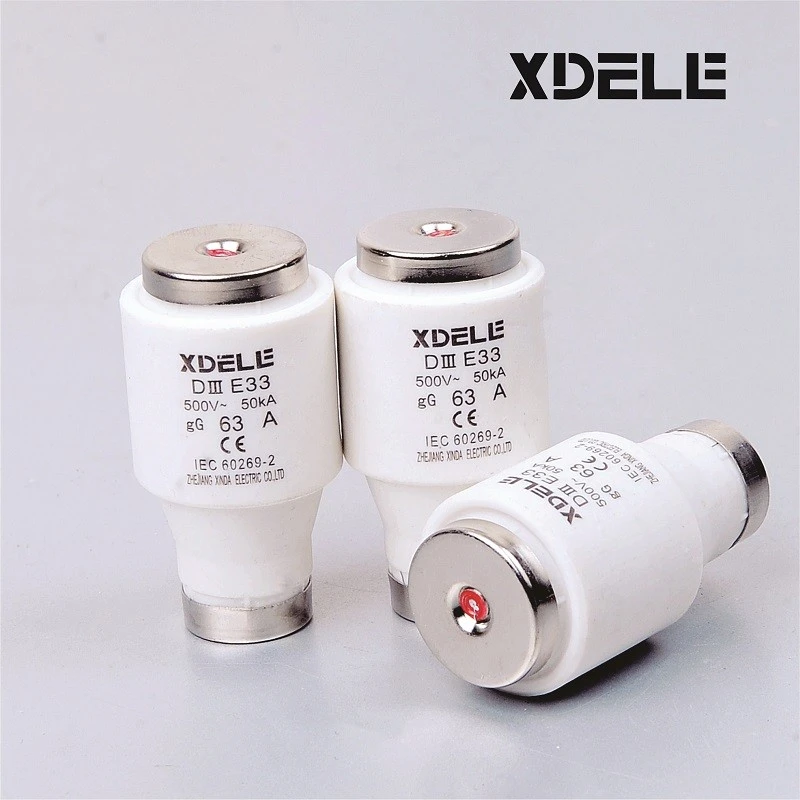
We offer a wide range of fuses that are specifically designed for use in vibration-prone environments. For example, our R022 E33 DIII Screw Fuse is a high-quality fuse that is engineered to withstand the mechanical stress caused by vibration. It features a robust construction and a secure connection design, making it ideal for industrial and automotive applications.
Another product in our range is the R024 E16 DI Screw Fuse. This fuse is designed with a special anti-vibration mechanism that helps to prevent the loosening of connections and the fatigue of the fuse elements. It is suitable for use in applications where vibration levels are moderate to high.
Our D02 RL6-32 Screw Fuse is also a popular choice for vibration-prone environments. It is built to provide reliable protection in harsh conditions, with a durable design that can withstand the effects of vibration and other environmental factors.
Conclusion
In conclusion, vibration can have a significant impact on the performance and reliability of fuses. However, by using high-quality materials, advanced design techniques, and rigorous testing, we can minimize these effects and provide fuses that are suitable for use in vibration-prone environments.
As a fuses supplier, we are committed to providing our customers with the best possible products and solutions. If you are facing challenges with fuses in vibrating environments, or if you have any questions about our products, please feel free to contact us. We are here to help you ensure the safety and reliability of your electrical systems.
References
- Smith, J. (2018). "The Effects of Vibration on Electrical Fuses in Automotive Applications." Journal of Automotive Engineering, Vol. 45, No. 2, pp. 123-135.
- Johnson, A. (2019). "Investigation of Fuse Performance in Industrial Vibration Environments." Industrial Electronics Journal, Vol. 56, No. 3, pp. 201-212.