

Hey there! As a supplier of NT/NH fuse bases, I've seen firsthand how important it is to understand how ambient temperature can affect their performance. In this blog post, I'm gonna break down the relationship between ambient temperature and NT/NH fuse base performance, and why it matters for you.
Let's start with the basics. NT/NH fuse bases are crucial components in electrical systems. They're designed to hold fuses securely and ensure proper electrical connections. Fuses, in turn, protect electrical circuits from overcurrent by melting and breaking the circuit when the current exceeds a safe level. But the performance of these fuse bases can be significantly influenced by the temperature of the surrounding environment.
How Ambient Temperature Affects Electrical Resistance
One of the key ways ambient temperature impacts NT/NH fuse bases is through its effect on electrical resistance. You see, most materials, including those used in the construction of fuse bases, have a property called temperature coefficient of resistance. This means that as the temperature changes, the resistance of the material also changes.
In general, as the ambient temperature rises, the electrical resistance of the materials in the fuse base increases. This is because higher temperatures cause the atoms in the material to vibrate more vigorously, which makes it harder for electrons to flow through. When the resistance goes up, more heat is generated in the fuse base according to Joule's law (P = I²R, where P is power, I is current, and R is resistance). This additional heat can further increase the temperature of the fuse base, creating a feedback loop that can potentially lead to overheating.
On the flip side, when the ambient temperature drops, the electrical resistance decreases. While this might seem like a good thing at first, it can also have its drawbacks. For example, a lower resistance might allow more current to flow than the fuse is rated for under normal conditions, which could cause the fuse to blow prematurely or not provide adequate protection.
Impact on Fuse Operation
The change in electrical resistance due to ambient temperature can directly affect the operation of the fuses installed in the NT/NH fuse bases. Fuses are designed to operate within a specific temperature range. When the ambient temperature is outside this range, the time it takes for the fuse to blow in the event of an overcurrent can change.
At higher temperatures, the fuse may blow more quickly than its rated time - current characteristic. This is because the additional heat from the increased resistance in the fuse base and the ambient environment speeds up the melting process of the fuse element. This can be a problem if the overcurrent is a temporary spike that the system could handle without blowing the fuse. On the other hand, at lower temperatures, the fuse may take longer to blow, which could expose the electrical system to potentially damaging overcurrents for a longer period.
Thermal Expansion and Mechanical Stress
Another aspect to consider is thermal expansion. Different materials in the NT/NH fuse base expand and contract at different rates as the temperature changes. This can create mechanical stress within the fuse base. For example, the contacts in the fuse base, which are typically made of metal, may expand or contract more than the insulating material.
Over time, this mechanical stress can lead to loose connections, which can increase the electrical resistance even further and cause more heat generation. Loose connections can also result in arcing, which is a dangerous situation that can damage the fuse base and other components in the electrical system.
Specific Considerations for Different NT/NH Fuse Base Types
Let's take a look at some specific NT/NH fuse base types and how they might be affected by ambient temperature.
- NH4 Fuse Base: The NH4 Fuse Base is often used in high - power applications. Due to the higher currents involved, it's more sensitive to changes in electrical resistance caused by temperature. Higher ambient temperatures can lead to significant heat generation in the NH4 fuse base, which may require additional cooling measures to ensure proper operation.
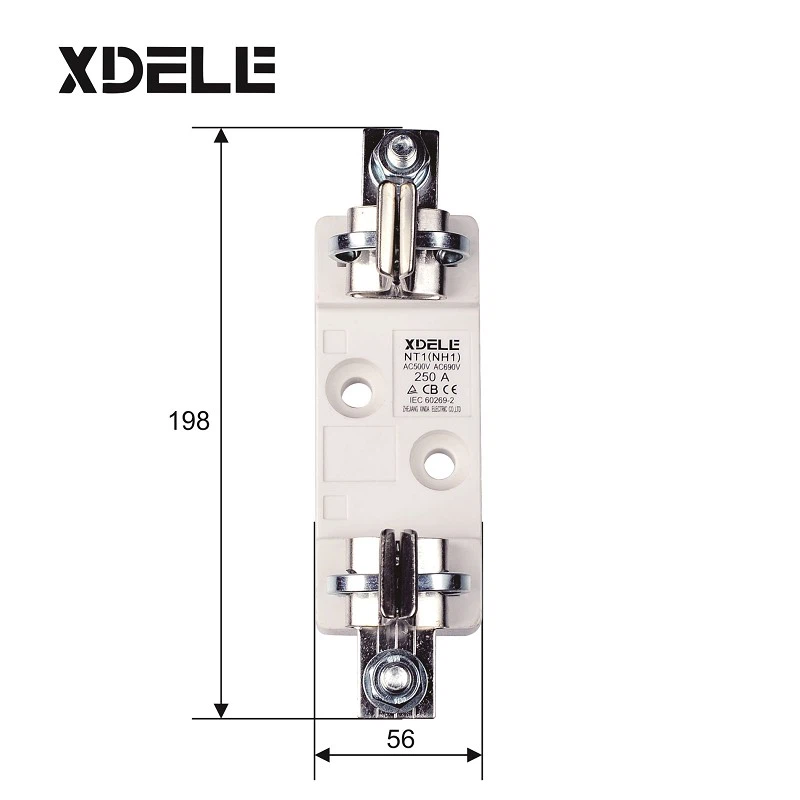
- NH1 Fuse Base: The NH1 Fuse Base is commonly used in medium - power electrical systems. While it may not be as sensitive as the NH4 fuse base, temperature changes can still affect its performance. For example, in a hot environment, the increased resistance in the NH1 fuse base can cause the fuses to blow more frequently, leading to unnecessary downtime.
- NH0 Fuse Base: The NH0 Fuse Base is typically used in lower - power applications. However, even in these applications, temperature can play a role. At low temperatures, the decreased resistance may allow more current to flow, potentially overloading the circuit and causing damage.
Mitigating the Effects of Ambient Temperature
So, what can you do to mitigate the effects of ambient temperature on NT/NH fuse base performance? Here are some tips:

- Proper Installation: Make sure the fuse base is installed in a well - ventilated area. Good ventilation helps to dissipate heat and keep the temperature of the fuse base within a reasonable range. Avoid installing the fuse base near heat sources such as motors or transformers.
- Temperature Monitoring: Consider using temperature sensors to monitor the ambient temperature around the fuse base. This can help you detect any abnormal temperature increases early and take corrective action before it causes damage to the fuse base or the electrical system.
- Selecting the Right Fuse: Choose fuses with a temperature rating that is appropriate for the expected ambient temperature in your application. Some fuses are designed to operate over a wider temperature range than others, so make sure to select the right one for your needs.
Why It Matters for You
As a customer, understanding how ambient temperature affects NT/NH fuse base performance is crucial for ensuring the reliability and safety of your electrical systems. A fuse base that is not performing properly due to temperature issues can lead to frequent fuse blowing, downtime, and even damage to other components in the system. This can result in increased maintenance costs, lost productivity, and potential safety hazards.
By working with a reliable supplier like me, you can get expert advice on selecting the right NT/NH fuse bases for your specific application and ambient temperature conditions. I can help you choose the appropriate fuse base type, recommend fuses with the right temperature ratings, and provide guidance on installation and maintenance to ensure optimal performance.
Let's Talk
If you're in the market for NT/NH fuse bases or have any questions about how ambient temperature might affect their performance in your application, I'd love to hear from you. Contact me to start a conversation about your needs. Whether you're a small business owner or part of a large industrial operation, I'm here to help you find the best solutions for your electrical systems.
References
- Electrical Engineering Handbook, Third Edition, CRC Press
- Fuse Technology Handbook, Littelfuse