

As a supplier of NH fuses, ensuring the compatibility of NH fuses with other electrical devices is a crucial aspect of our business. NH fuses are widely used in various electrical systems to protect against overcurrent and short - circuit conditions. In this blog, I will share some key points on how to ensure this compatibility.
Understanding the Basics of NH Fuses
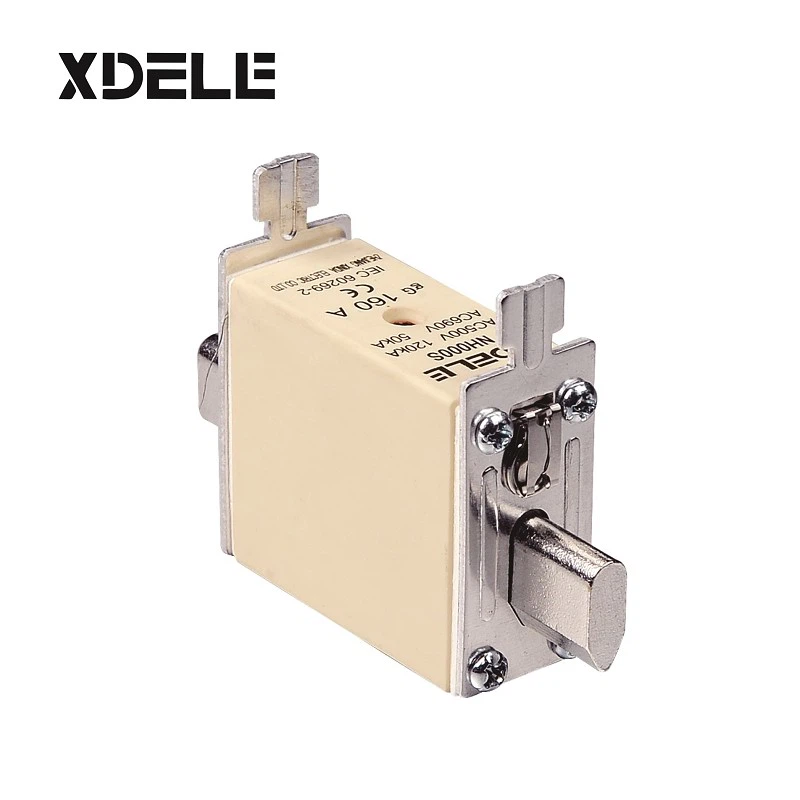
Before delving into compatibility, it's essential to understand what NH fuses are. NH fuses are high - breaking - capacity fuses that are designed to interrupt high short - circuit currents safely. They are commonly used in industrial and commercial electrical installations. The "NH" stands for "Niederung Hoechstleistung" in German, which translates to "Low - voltage high - performance."
These fuses come in different ratings and sizes, such as the NT/NH4 Fuse Link, NH00C with Indicator Fuse Link, and NH3 with Indicator Fuse Link. Each type is suitable for specific applications depending on the current and voltage requirements of the electrical system.
Voltage Compatibility
One of the primary factors in ensuring compatibility is voltage. The rated voltage of the NH fuse must match the system voltage. Using a fuse with a lower rated voltage than the system can lead to the fuse failing prematurely or not providing adequate protection. For example, if a system operates at 400V, using a 230V rated NH fuse is extremely dangerous as it may not be able to withstand the higher voltage and could cause a short - circuit or other electrical hazards.
On the other hand, using a fuse with a much higher rated voltage than the system is generally acceptable, but it may not be cost - effective. A fuse with a significantly higher voltage rating may have different characteristics, such as a larger physical size and different breaking capacity, which may not be necessary for the application.
Current Rating Compatibility
The current rating of the NH fuse is another critical factor. It should be selected based on the normal operating current of the electrical device or circuit and the expected overload and short - circuit currents. If the current rating of the fuse is too low, it will blow frequently during normal operation, causing unnecessary downtime. For instance, if a motor has a normal operating current of 10A, a fuse with a current rating of 12A or 15A might be appropriate, allowing for some inrush current when the motor starts.
Conversely, if the current rating is too high, the fuse may not blow when there is an overcurrent or short - circuit condition, which can damage the electrical device and pose a safety risk. It's important to consider the inrush current, which is the high current that flows when an electrical device is first turned on. Some electrical devices, such as motors and transformers, have a high inrush current that can be several times the normal operating current. In such cases, a fuse with a time - delay characteristic may be required to prevent false tripping.

Breaking Capacity Compatibility
The breaking capacity of a fuse refers to its ability to interrupt a short - circuit current safely without causing damage to the surrounding electrical equipment. It is usually expressed in kiloamperes (kA). The breaking capacity of the NH fuse must be equal to or greater than the prospective short - circuit current at the point of installation.
For example, in a low - voltage industrial electrical system, the prospective short - circuit current can be quite high, especially in areas close to the power source. If the breaking capacity of the fuse is too low, it may not be able to interrupt the short - circuit current, leading to an explosion or other serious damage to the electrical system. Therefore, it's crucial to calculate the prospective short - circuit current accurately and select a fuse with an appropriate breaking capacity.
Physical Compatibility
Physical compatibility is also important. The NH fuse must fit properly into the fuse holder or switchgear. Different types of NH fuses have different physical dimensions, and using a fuse that does not fit correctly can lead to poor electrical contact, overheating, and even fire hazards.
It's also important to ensure that the fuse holder or switchgear is designed to handle the type of NH fuse being used. Some fuse holders are specifically designed for fuses with indicators, such as the NH00C with Indicator Fuse Link and NH3 with Indicator Fuse Link. Using a fuse with an indicator in a non - compatible fuse holder may prevent the indicator from functioning correctly, making it difficult to detect a blown fuse.
Coordination with Other Protection Devices
NH fuses often work in conjunction with other protection devices, such as circuit breakers and relays. It's important to ensure that these devices are coordinated properly to provide selective protection. Selective protection means that only the fuse or protection device closest to the fault should operate, isolating the faulty part of the circuit while keeping the rest of the system running.
For example, in a large electrical distribution system, a circuit breaker may be used at the main incoming supply, and NH fuses may be used at the branch circuits. The time - current characteristics of the fuse and the circuit breaker must be coordinated so that in the event of a fault, the fuse blows first if the fault is in the branch circuit, while the circuit breaker remains closed. This helps to minimize downtime and prevent unnecessary tripping of the entire system.
Environmental Compatibility
The environment in which the NH fuse is installed can also affect its compatibility with other electrical devices. Factors such as temperature, humidity, and vibration can influence the performance of the fuse. For example, high temperatures can cause the fuse element to heat up more quickly, reducing its lifespan and potentially causing it to blow prematurely.
In a high - humidity environment, corrosion can occur on the fuse terminals, leading to poor electrical contact. Vibration can cause the fuse element to break or loosen, which can also affect its performance. Therefore, it's important to select NH fuses that are suitable for the environmental conditions of the installation.
Testing and Certification
To ensure the compatibility of NH fuses with other electrical devices, it's important to use fuses that are tested and certified to relevant international standards. Standards such as IEC 60269 provide guidelines for the design, performance, and testing of low - voltage fuses. Fuses that meet these standards have been tested to ensure their safety and reliability under various operating conditions.
When purchasing NH fuses, it's advisable to ask for the test reports and certification documents to ensure that the fuses meet the required standards. This gives you confidence that the fuses will work properly and be compatible with other electrical devices in your system.
Conclusion
Ensuring the compatibility of NH fuses with other electrical devices is a multi - faceted process that involves considering voltage, current rating, breaking capacity, physical dimensions, coordination with other protection devices, environmental factors, and testing and certification. As a supplier of NH fuses, we are committed to providing high - quality fuses that meet all these requirements.
If you are in the process of selecting NH fuses for your electrical system or have any questions about fuse compatibility, we are here to help. Our team of experts can assist you in choosing the right fuses for your specific application and ensuring that they are fully compatible with your other electrical devices. Contact us today to start a discussion about your procurement needs and let us help you find the best NH fuse solutions for your electrical systems.
References
- IEC 60269 - Low - voltage fuses - Part 1: General requirements
- Electrical Installation Guide, Schneider Electric
- Fuse Selection and Application Handbook, Bussmann