

As a leading Fuse Base supplier, I understand the significance of resolving compatibility issues related to Fuse Bases. In this blog post, I will delve into the common compatibility problems and provide effective solutions to ensure seamless operation and safety in electrical systems.

Understanding Fuse Base Compatibility
Fuse Bases are crucial components in electrical circuits that hold fuses and provide a connection point. Compatibility issues can arise when the Fuse Base does not match the specific requirements of the fuse or the electrical system. These issues can lead to a range of problems, including poor electrical contact, overheating, and even circuit failure.
Common Compatibility Issues
- Physical Dimensions: One of the most common compatibility issues is the mismatch in physical dimensions between the fuse and the Fuse Base. This can prevent the fuse from fitting properly into the base, leading to loose connections and potential arcing.
- Voltage Ratings: Fuses and Fuse Bases are designed to operate within specific voltage ranges. Using a fuse with a different voltage rating than the Fuse Base can result in overheating and damage to the components.
- Current Ratings: Similar to voltage ratings, current ratings must also match between the fuse and the Fuse Base. A fuse with a lower current rating than required can blow prematurely, while a fuse with a higher current rating may not provide adequate protection.
- Fuse Type: Different types of fuses, such as fast-acting, slow-blow, and time-delay fuses, have specific characteristics and are designed for different applications. Using the wrong type of fuse in a Fuse Base can lead to improper operation and potential safety hazards.
Solutions to Compatibility Issues
- Proper Selection: The first step in resolving compatibility issues is to ensure proper selection of the Fuse Base and fuse. Consider the physical dimensions, voltage ratings, current ratings, and fuse type when making your selection. Consult the manufacturer's specifications and guidelines to ensure compatibility.
- Inspection and Testing: Before installing a fuse in a Fuse Base, carefully inspect both components for any signs of damage or wear. Check the physical dimensions to ensure a proper fit. Additionally, perform electrical tests to verify the voltage and current ratings are within the acceptable range.
- Upgrading Components: If compatibility issues persist, consider upgrading the Fuse Base or fuse to a higher-rated or more suitable model. This may require consulting with an electrical engineer or a professional in the field to determine the appropriate upgrade.
- Regular Maintenance: Regular maintenance of Fuse Bases and fuses is essential to ensure continued compatibility and proper operation. Inspect the components periodically for signs of wear, corrosion, or damage. Replace any worn or damaged parts immediately.
Specific Considerations for Different Fuse Base Types
- NH0 Fuse Base: The NH0 Fuse Base is commonly used in low to medium current applications. When selecting a fuse for this base, ensure it has the appropriate current rating and physical dimensions. Pay attention to the voltage rating as well to prevent overheating.
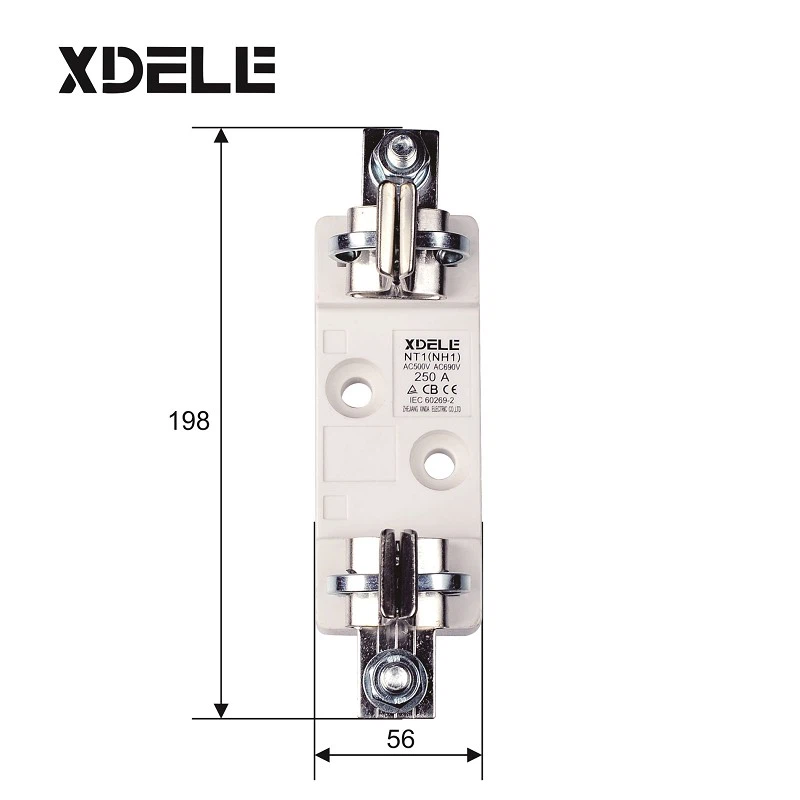
- NH1 Fuse Base: The NH1 Fuse Base is designed for higher current applications. Choose a fuse with a higher current rating and suitable physical dimensions. Check the voltage rating to ensure compatibility with the electrical system.
- NH2 Fuse Base: The NH2 Fuse Base is used in high current applications. Select a fuse with a high current rating and appropriate physical dimensions. Verify the voltage rating to prevent damage to the components.
Importance of Compatibility in Electrical Systems
Resolving compatibility issues of Fuse Bases is crucial for the safety and reliability of electrical systems. Incompatible components can lead to electrical faults, fires, and equipment damage. By ensuring proper compatibility, you can minimize the risk of these issues and ensure the smooth operation of your electrical systems.
Conclusion
As a Fuse Base supplier, I am committed to providing high-quality products and solutions to our customers. Resolving compatibility issues is an essential part of ensuring the safety and reliability of electrical systems. By following the guidelines and solutions outlined in this blog post, you can effectively address compatibility issues and ensure the proper operation of your Fuse Bases.
If you have any questions or need assistance with Fuse Base compatibility, please feel free to contact us. Our team of experts is ready to help you find the right solutions for your specific needs. We look forward to the opportunity to work with you and support your electrical projects.
References
- Electrical Engineering Handbook, Third Edition.
- National Electrical Code (NEC).
- Manufacturer's specifications and guidelines for Fuse Bases and fuses.