

As a reliable supplier of NHFUSE HRC (High Rupturing Capacity) fuses, I understand the critical importance of proper storage conditions to maintain the quality and performance of these essential electrical components. In this blog post, I will delve into the environmental requirements for storing NHFUSE HRC fuses, ensuring that they remain in optimal condition until they are put to use.
Temperature Control
Temperature is one of the most crucial factors when it comes to storing NHFUSE HRC fuses. These fuses are designed to operate within a specific temperature range, and deviations from this range can have a significant impact on their performance and lifespan.
The ideal storage temperature for NHFUSE HRC fuses typically falls between -25°C and +70°C. Storing fuses within this range helps to prevent thermal stress and degradation of the fuse elements and other internal components. Extreme temperatures can cause the fuse materials to expand or contract, leading to mechanical stress and potential damage.
At low temperatures, the fuse elements may become brittle, increasing the risk of breakage. On the other hand, high temperatures can accelerate the aging process of the fuse materials, reducing their effectiveness and increasing the likelihood of premature failure. Therefore, it is essential to store NHFUSE HRC fuses in a climate-controlled environment, such as a warehouse or storage room with proper heating and cooling systems.
Humidity Management
Humidity is another critical environmental factor that can affect the performance of NHFUSE HRC fuses. Excessive humidity can lead to corrosion and oxidation of the fuse contacts and other metal components, which can increase the resistance and reduce the conductivity of the fuses.
The recommended relative humidity for storing NHFUSE HRC fuses is between 10% and 95%, with a maximum dew point of +30°C. This range helps to prevent the formation of condensation on the fuse surfaces, which can cause short circuits and other electrical problems.
To maintain the appropriate humidity levels, it is advisable to use dehumidifiers or air conditioners in the storage area. Additionally, fuses should be stored in sealed containers or packaging to protect them from moisture and other environmental contaminants.
Protection from Dust and Dirt
Dust and dirt can accumulate on the surfaces of NHFUSE HRC fuses, which can interfere with their electrical performance and cause short circuits. Therefore, it is important to store fuses in a clean and dust-free environment.
The storage area should be regularly cleaned and vacuumed to remove any dust or debris. Fuses should also be stored in sealed containers or packaging to prevent dust and dirt from entering. Additionally, it is advisable to wear gloves when handling fuses to prevent the transfer of oils and other contaminants from the hands.
Avoidance of Mechanical Stress
NHFUSE HRC fuses are delicate components that can be easily damaged by mechanical stress. Therefore, it is important to store fuses in a way that protects them from physical damage.
Fuses should be stored in a stable and secure location, away from areas where they may be subjected to vibration, shock, or impact. They should also be stored in a way that prevents them from being stacked or crushed. Additionally, it is advisable to use protective packaging, such as foam or bubble wrap, to cushion the fuses and prevent them from being damaged during transportation or storage.
Compatibility with Other Materials
When storing NHFUSE HRC fuses, it is important to consider their compatibility with other materials. Some materials, such as chemicals, solvents, and oils, can react with the fuse materials and cause damage.
Therefore, it is advisable to store fuses away from any sources of chemicals or other potentially harmful substances. Additionally, fuses should be stored in a way that prevents them from coming into contact with other electrical components or materials that may cause short circuits or other electrical problems.
Documentation and Labeling
Proper documentation and labeling are essential for ensuring the proper storage and handling of NHFUSE HRC fuses. Each fuse should be labeled with its type, rating, and other relevant information, such as the date of manufacture and the expiration date.
Additionally, it is advisable to maintain a detailed inventory of all the fuses in storage, including their location, quantity, and condition. This information can be used to track the usage and expiration dates of the fuses, as well as to ensure that they are stored in the appropriate environmental conditions.
Conclusion
In conclusion, proper storage of NHFUSE HRC fuses is essential for maintaining their quality and performance. By controlling the temperature, humidity, dust, and mechanical stress, and by ensuring compatibility with other materials, you can ensure that your fuses remain in optimal condition until they are put to use.
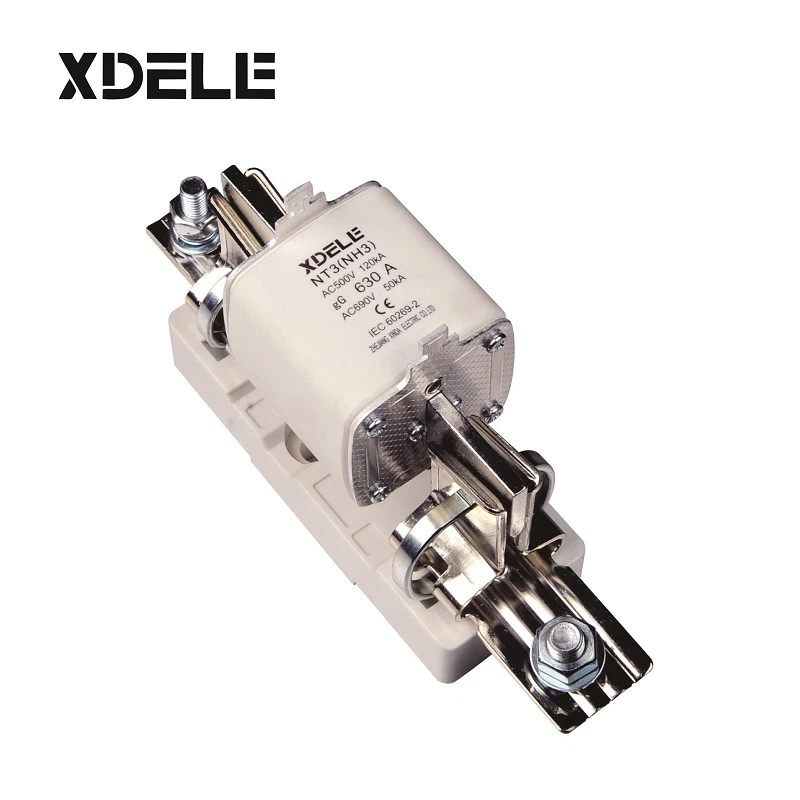
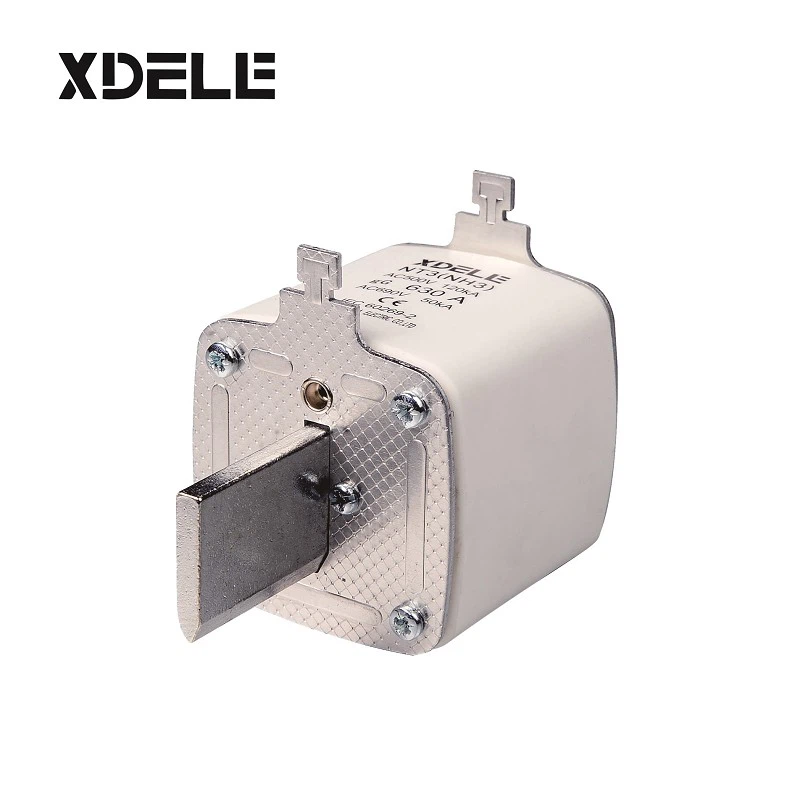
If you are in the market for high-quality NHFUSE HRC fuses, I invite you to explore our extensive range of products, including NT/NH3 Fuse Link, NT/NH2 Fuse Links, and NH00C with Indicator Fuse Link. Our fuses are manufactured to the highest standards of quality and reliability, and we offer competitive prices and excellent customer service.
If you have any questions or would like to discuss your specific requirements, please do not hesitate to contact us. We look forward to working with you to meet your electrical protection needs.
References
- Electrical Safety Standards and Guidelines
- Manufacturer's Recommendations for NHFUSE HRC Fuses