

Hey there! As a FUSE holder supplier, I've seen firsthand how crucial it is to understand the factors that affect the performance of these little but mighty components. In this blog, I'll break down the key elements that can make or break a FUSE holder's performance.
1. Material Quality
One of the most significant factors is the material used in the FUSE holder. The housing material needs to be robust and heat - resistant. For example, high - quality plastics like polycarbonate are often a great choice. They can withstand the heat generated by the fuse during normal operation and in case of a fault. If the material is of poor quality, it might deform under heat, which can lead to a loose connection between the fuse and the holder. A loose connection, in turn, can cause overheating and even pose a fire hazard.
Metals used in the contact parts of the FUSE holder also matter a great deal. Copper or brass are commonly used due to their excellent electrical conductivity. Low - grade metals can have higher resistance, which means more heat is generated as electricity passes through. This extra heat can not only reduce the lifespan of the fuse but also affect the overall performance of the electrical circuit.
2. Design and Construction
The design of the FUSE holder plays a vital role in its performance. A well - designed holder ensures a secure fit for the fuse. The terminals should be properly shaped and sized to make good contact with the fuse. If the terminals are too loose, the fuse might not be held firmly, leading to intermittent connections. On the other hand, if they are too tight, it could damage the fuse when it's inserted.
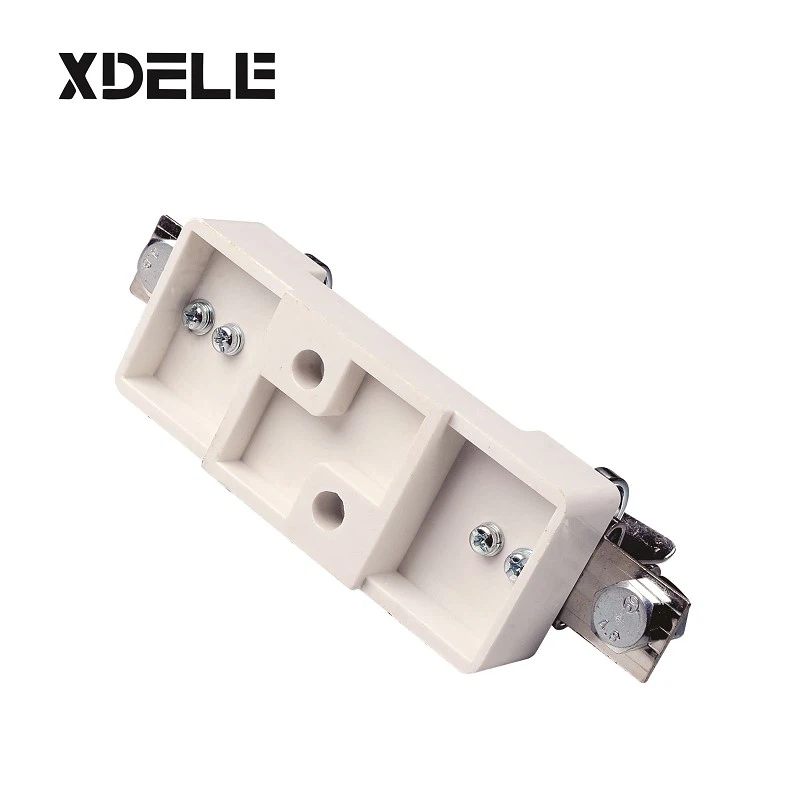
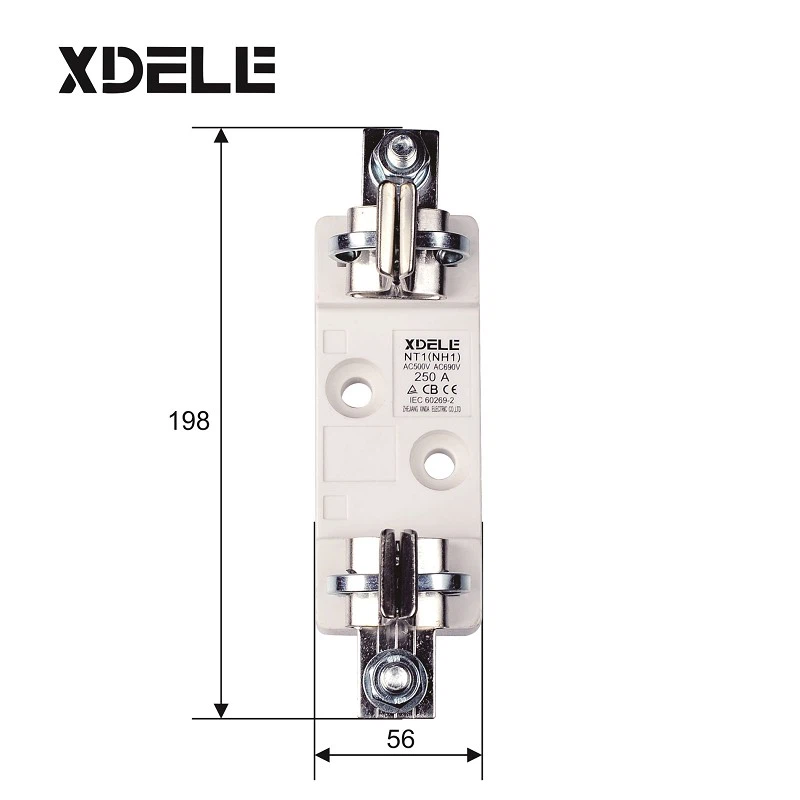
The construction of the holder also includes features like insulation. Good insulation prevents electrical leakage, which is essential for safety. Some FUSE holders are designed with additional protective barriers to prevent accidental contact with live parts.
For instance, our NH3 Fuse Base has a well - thought - out design. It provides a snug fit for the NH3 fuses, ensuring stable electrical contact and reliable performance.
3. Current Rating
The current rating of a FUSE holder is extremely important. It indicates the maximum amount of current that the holder can safely carry. If you use a FUSE holder with a lower current rating than the actual current in the circuit, it will overheat. Overheating can cause the insulation to break down, the contacts to melt, and ultimately, the fuse to blow prematurely.
On the flip side, using a FUSE holder with a much higher current rating than necessary is also not a good idea. It might not protect the circuit effectively in case of a fault. You need to match the current rating of the FUSE holder with the requirements of the electrical circuit. For example, our NH00 Fuse Base comes with different current ratings to suit various applications.
4. Environmental Conditions
The environment in which the FUSE holder operates can have a big impact on its performance. Temperature is a major factor. High temperatures can cause the materials in the holder to expand, which might affect the fit of the fuse and the integrity of the electrical connections. In very cold temperatures, some materials can become brittle, increasing the risk of breakage.
Humidity is another concern. Moisture can corrode the metal contacts in the FUSE holder, increasing resistance and reducing the efficiency of the electrical connection. Dust and dirt can also accumulate on the holder, which can interfere with the proper functioning of the fuse.
If the FUSE holder is used in a harsh industrial environment, it might be exposed to chemicals or vibrations. Chemicals can eat away at the materials, while vibrations can loosen the connections over time.
5. Installation and Maintenance
Proper installation is crucial for the performance of a FUSE holder. The holder needs to be installed in a way that ensures good ventilation to dissipate heat. It should also be mounted securely to prevent movement that could disrupt the electrical connection.
Regular maintenance is also necessary. You should check the FUSE holder periodically for signs of wear, such as discoloration or damage to the housing. The contacts should be cleaned to remove any corrosion or dirt that might have built up. If a fuse blows, it's important to replace it with the correct type and rating to maintain the proper performance of the circuit.
6. Compatibility with Fuses
The FUSE holder must be compatible with the type of fuses it's intended to hold. Different fuses have different physical dimensions, terminal designs, and electrical characteristics. Using an incompatible fuse can lead to poor performance or even safety hazards.
For example, our NH1 Fuse Base is specifically designed to be compatible with NH1 fuses. This ensures that the fuse fits properly and makes good electrical contact, which is essential for reliable operation.
Conclusion
So, there you have it - the main factors that affect the performance of a FUSE holder. As a FUSE holder supplier, we understand the importance of these elements and strive to provide high - quality products that meet the needs of our customers.
If you're in the market for FUSE holders, whether it's for industrial applications, electrical panels, or any other use, we'd love to have a chat with you. Our team of experts can help you choose the right FUSE holder for your specific requirements. Don't hesitate to reach out and start a conversation about your procurement needs.
References
- Electrical Engineering Handbook: General knowledge on electrical components and their performance factors.
- Manufacturer's specifications for FUSE holders and fuses.