

Hey there! As a fuse supplier, I've seen my fair share of blown fuses. It's a common issue that can be a real headache, but understanding what causes a fuse to blow can help you prevent it from happening in the first place. So, let's dive in and explore the main culprits behind blown fuses.
Overloading
One of the most common reasons for a fuse to blow is overloading. You see, every fuse has a specific ampere rating, which indicates the maximum amount of current it can safely handle. When the current flowing through the circuit exceeds this rating, the fuse heats up. If the overload persists, the fuse's element will melt, breaking the circuit and preventing further damage to the electrical system.
Think about it like this: your fuse is like a traffic cop for your electrical current. It's there to make sure the flow of electricity doesn't get too crazy. But if too many electrical devices are connected to a single circuit, it's like a traffic jam on a small road. The current can't flow smoothly, and the fuse steps in to stop the chaos.
For example, if you have a 15 - amp fuse in a circuit and you plug in a bunch of high - wattage appliances like a space heater, a microwave, and a hair dryer all at once, the total current drawn by these devices might exceed 15 amps. That's when the fuse will blow to protect your wiring from overheating and potentially causing a fire.
Short Circuits
Another major cause of blown fuses is short circuits. A short circuit occurs when a low - resistance path is created between the hot wire and the neutral wire or the ground wire in an electrical circuit. This can happen due to damaged insulation on the wires, loose connections, or faulty electrical components.
When a short circuit happens, the resistance in the circuit drops significantly. According to Ohm's Law (V = IR, where V is voltage, I is current, and R is resistance), when the resistance (R) decreases, the current (I) increases dramatically. This sudden surge of current is way more than what the fuse is rated for, and it causes the fuse to blow almost instantly.
Imagine a water pipe with a hole in it. Instead of flowing through the pipe as it should, the water rushes out through the hole. In an electrical circuit, a short circuit is like that hole, allowing the current to take an unintended path.
Faulty Electrical Devices
Faulty electrical devices can also be to blame for blown fuses. Sometimes, a malfunctioning appliance or piece of equipment can draw more current than it's supposed to. This could be due to a problem with the motor, a damaged internal component, or a short within the device itself.
For instance, if you have an old refrigerator that has a worn - out compressor motor, the motor might draw excessive current as it struggles to operate. This extra current can cause the fuse in the circuit supplying power to the refrigerator to blow.
Voltage Surges
Voltage surges are sudden increases in electrical voltage that can occur in a power grid. These surges can be caused by lightning strikes, power outages followed by a sudden restoration of power, or problems with the utility company's equipment.
When a voltage surge hits your electrical system, the increased voltage can cause the current to spike. If the spike is large enough, it can exceed the fuse's rating and cause it to blow. It's like a sudden wave in the ocean; if it's big enough, it can knock things over.
Aging and Wear
Fuses don't last forever. Over time, the fuse element can degrade due to normal wear and tear, exposure to heat, and other environmental factors. As the fuse ages, its ability to handle the rated current may decrease. This means that even if the current in the circuit is within the normal range, an old and worn - out fuse might still blow.
It's similar to an old rubber band. As it gets older, it loses its elasticity and is more likely to break when you stretch it.
How Our Fuses Can Help
At our company, we offer a wide range of high - quality fuses to meet your needs. Whether you're dealing with a small household circuit or a large industrial application, we've got you covered.
For electric vehicle charging, we have some great options. Check out our DC1000V Electric Vehicle Fuse Link and DC750V Electric Vehicle Fuse Link. These fuses are designed to handle the specific requirements of electric vehicle charging systems, providing reliable protection against overloading, short circuits, and other electrical issues.

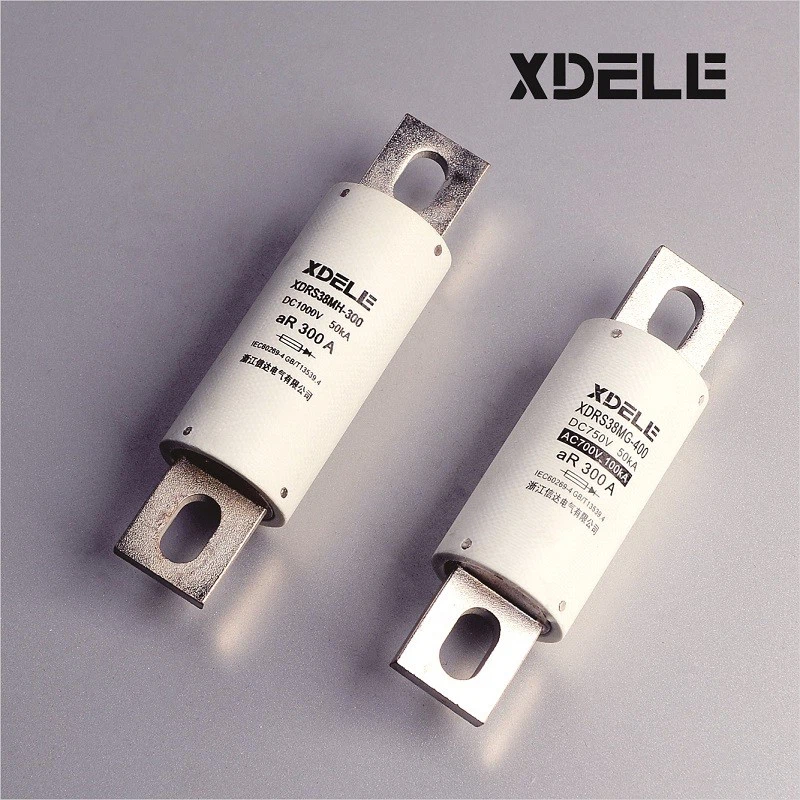
Our fuses are made with high - quality materials and are rigorously tested to ensure they meet the highest standards of safety and performance. So, if you're tired of dealing with blown fuses and want a reliable solution, we're here to help.
Contact Us for Procurement
If you're interested in purchasing our fuses, we'd love to have a chat with you. Whether you need a small quantity for a DIY project or a large order for a commercial application, we can work with you to find the right fuses at the right price. Just reach out to us, and our team of experts will be happy to assist you with your procurement needs.
References
- "Electrical Wiring Residential" by Ray C. Mullin and Phil Simmons
- "The Handbook of Electrical Engineering" by John H. Hamill
So, there you have it! Now you know the main reasons why fuses blow and how our fuses can help you avoid these issues. Don't let blown fuses ruin your day. Get in touch with us and let's find the perfect fuses for your electrical systems.