

Hey there! As a supplier of NH fuse links, I've been getting a lot of questions lately about the aging mechanism of these essential electrical components. So, I thought I'd take a deep dive into the topic and share what I've learned.
First off, let's talk about what NH fuse links are. They're a type of high - breaking - capacity fuse used in electrical systems to protect against overcurrent. They're super important because they can prevent electrical fires and damage to equipment by interrupting the circuit when the current gets too high.
Now, onto the aging mechanism. There are several factors that can cause NH fuse links to age over time.
Thermal Stress
One of the main culprits is thermal stress. When current flows through a fuse link, it generates heat. The amount of heat is proportional to the square of the current, according to Joule's law (P = I²R, where P is power, I is current, and R is resistance). Over time, this continuous heating and cooling cycle can cause physical changes in the fuse element.
The fuse element is usually made of a metal or an alloy. Repeated thermal expansion and contraction can lead to micro - cracks in the material. These micro - cracks increase the resistance of the fuse link. As the resistance goes up, more heat is generated for the same current, creating a vicious cycle. Eventually, these micro - cracks can grow and cause the fuse to fail prematurely.
Oxidation
Oxidation is another significant factor in the aging of NH fuse links. The fuse element is exposed to the surrounding air, and oxygen in the air can react with the metal surface. This oxidation process forms a layer of metal oxide on the surface of the fuse element.
Metal oxides generally have higher resistances than the pure metal. So, similar to the effect of micro - cracks, the formation of an oxide layer increases the overall resistance of the fuse link. This increased resistance leads to more heat generation, which further accelerates the aging process.
Contamination
Contamination can also play a role in the aging of NH fuse links. Dust, moisture, and chemical pollutants in the environment can settle on the surface of the fuse link. Moisture, for example, can cause corrosion of the metal. Chemical pollutants can react with the fuse element, altering its chemical composition and physical properties.
Contamination can also increase the surface resistance of the fuse link. This additional resistance can cause uneven current distribution and local hot spots, which can lead to accelerated aging and eventual failure.
Mechanical Vibration
Mechanical vibration is yet another factor that can contribute to the aging of NH fuse links. In industrial environments, there are often sources of vibration, such as motors, pumps, and conveyor belts. These vibrations can cause the fuse element to move and flex.
Just like thermal stress, repeated mechanical flexing can cause micro - cracks in the fuse element. These micro - cracks can then grow over time, leading to an increase in resistance and ultimately, fuse failure.
Impact on Performance
As NH fuse links age, their performance can be significantly affected. The increased resistance due to aging can cause the fuse to trip at lower currents than its rated value. This is known as “pre - tripping.” Pre - tripping can be a major headache in electrical systems because it can cause unnecessary downtime and disrupt normal operations.
On the other hand, in some cases, the aging process can make the fuse less sensitive. The weakened fuse element may not be able to interrupt the circuit quickly enough when a high - current fault occurs. This can pose a serious safety risk, as it may not protect the electrical equipment and the surrounding environment from damage.
How to Mitigate Aging
So, what can we do to mitigate the aging of NH fuse links? Well, proper installation is crucial. Make sure the fuse links are installed in a clean, dry, and vibration - free environment. Using proper mounting techniques and ensuring good electrical connections can also help reduce the effects of thermal stress and mechanical vibration.
Regular inspection and maintenance are also essential. Inspect the fuse links periodically for signs of oxidation, contamination, and physical damage. Replace any fuse links that show significant signs of aging.
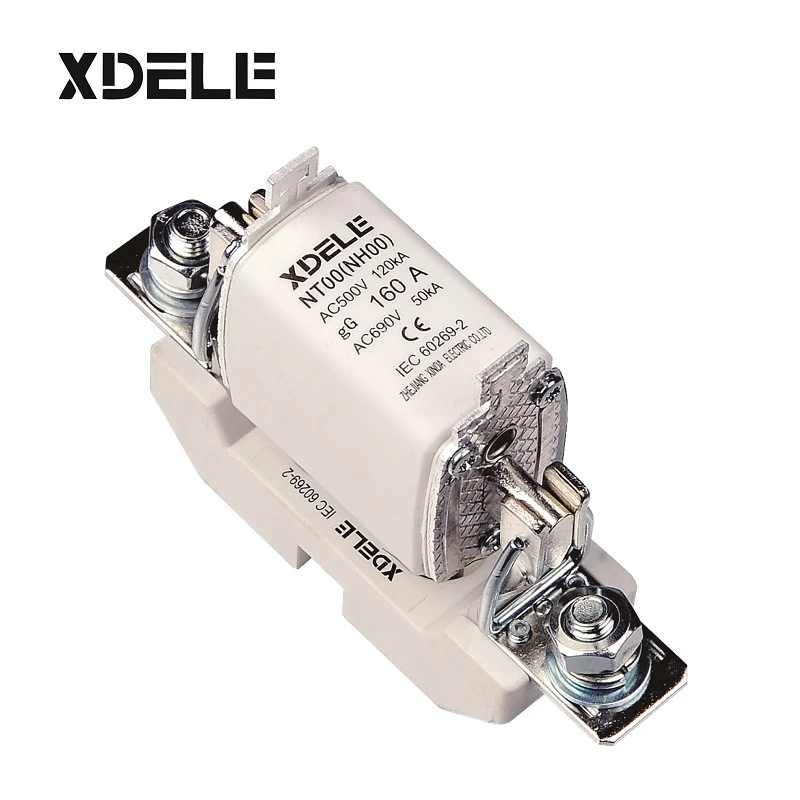
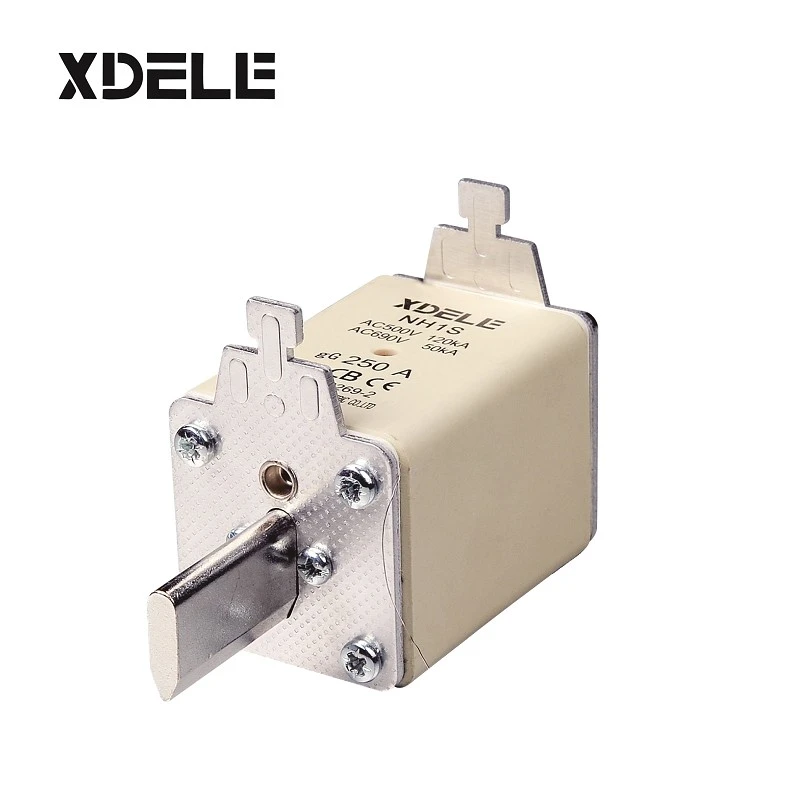
At our company, we offer a wide range of high - quality NH fuse links, such as the NH1 with Indicator Fuse Link, NT/NH00 Fuse Link, and NH00C with Indicator Fuse Link. These fuse links are designed with high - quality materials and advanced manufacturing processes to minimize the effects of aging and ensure long - term reliability.
If you're in the market for NH fuse links or have any questions about their aging mechanism, don't hesitate to reach out. We're here to help you make the right choice for your electrical systems. Whether you're an electrical engineer, a maintenance technician, or someone responsible for the safety of an electrical installation, we can provide you with the best solutions and support.
In conclusion, understanding the aging mechanism of NH fuse links is essential for ensuring the safety and reliability of electrical systems. By being aware of the factors that contribute to aging and taking appropriate measures to mitigate them, you can extend the lifespan of your fuse links and avoid costly downtime and safety hazards.
If you're interested in learning more or making a purchase, feel free to contact us for a detailed discussion. We're always ready to assist you with your NH fuse link needs.
References
- “Electrical Fuses: Principles, Types, and Applications” by Electrical Engineering Handbook
- “Thermal and Oxidation Effects in Electrical Conductors” by Journal of Electrical Materials Research