

Hey there! As a supplier of NH fuses, I often get asked about the response time of these little but crucial components. So, let's dive right in and talk about what the response time of an NH fuse is all about.
First off, what are NH fuses? NH fuses are a type of high - breaking - capacity fuse that are widely used in electrical systems. They're designed to protect electrical circuits from overcurrent situations, like short - circuits or overloads. When an overcurrent occurs, the fuse needs to do its job and break the circuit to prevent damage to the equipment and ensure safety.
The response time of an NH fuse is essentially how quickly it reacts when it detects an overcurrent. It's measured from the moment the overcurrent starts to flow through the fuse until the fuse actually melts and interrupts the circuit. This time can vary depending on a few different factors.
One of the main factors affecting the response time is the magnitude of the overcurrent. If there's a really large overcurrent, like in a short - circuit situation, the NH fuse will typically respond very quickly. The high current generates a lot of heat in the fuse element, causing it to melt rapidly. For example, in a severe short - circuit, an NH fuse might respond in just a few milliseconds. On the other hand, if the overcurrent is only slightly above the rated current of the fuse (an overload), the response time will be much longer. The heat build - up in the fuse element is slower, so it takes more time for the element to reach its melting point. It could take anywhere from a few seconds to several minutes for the fuse to blow in an overload situation.
Another factor is the type of NH fuse. There are different types of NH fuses available, each with its own characteristics and response time curves. For instance, some NH fuses are designed for fast - acting applications. These fuses are great for protecting sensitive electronic components that can be damaged quickly by overcurrents. They have a relatively short response time even for small overcurrents. Other NH fuses are slow - acting or time - delay fuses. These are used in applications where temporary inrush currents are common, like in motors or transformers. The time - delay feature allows the fuse to withstand these temporary high currents without blowing, while still protecting the circuit from long - term overcurrents.
Let's talk about how the response time is specified. Fuse manufacturers usually provide response time curves for their NH fuses. These curves show the relationship between the overcurrent magnitude and the corresponding response time. By looking at these curves, electrical engineers and designers can select the right NH fuse for their specific application. They can determine whether a fast - acting or slow - acting fuse is needed based on the expected overcurrent conditions in the circuit.
Now, as a supplier, I know that choosing the right NH fuse is crucial for the proper functioning and safety of an electrical system. That's why we offer a wide range of NH fuses to meet different needs. If you're looking for a high - quality NH fuse, we've got you covered.
We have the NT/NH4 Fuse Link, which is suitable for high - current applications. These fuses are designed to handle large overcurrents with a relatively fast response time when necessary. They're built to be reliable and durable, ensuring long - term protection for your electrical circuits.
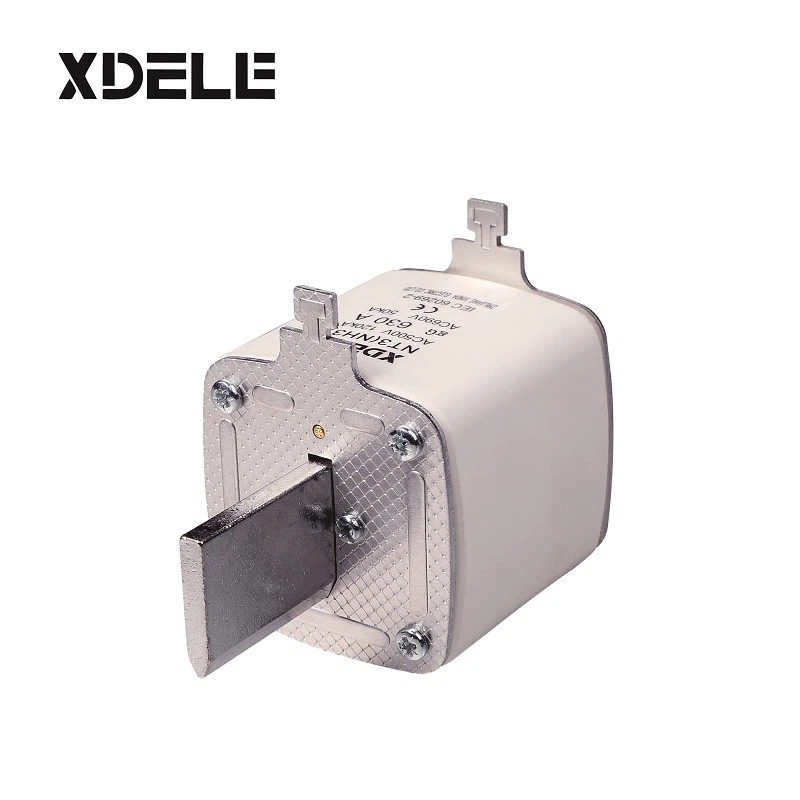
Our NT/NH3 Fuse Link is another great option. It offers a good balance between current - handling capacity and response time. Whether you're dealing with moderate overcurrents or need a fuse for general - purpose applications, the NT/NH3 Fuse Link is a solid choice.
And for applications where space is limited or you need a fuse with specific characteristics, we have the NT/NH00C Fuse Link. These fuses are compact yet powerful, providing effective overcurrent protection in a small package.
If you're in the process of designing an electrical system or need to replace a faulty NH fuse, it's important to consider the response time carefully. Make sure to consult the response time curves and technical specifications of the fuses to ensure you're making the right choice.

So, if you're interested in learning more about our NH fuses or have any questions about the response time or other aspects of these fuses, don't hesitate to reach out. We're here to help you make the best decision for your electrical protection needs. Whether you're an electrical engineer, a maintenance technician, or someone responsible for an electrical system, we can provide you with the information and products you need.
In conclusion, the response time of an NH fuse is a critical factor in its performance. It's influenced by the magnitude of the overcurrent and the type of fuse. By understanding these factors and using the right NH fuse for your application, you can ensure the safety and reliability of your electrical circuits. So, if you're looking for high - quality NH fuses with the right response time for your needs, get in touch with us. We're ready to assist you in your procurement process and help you find the perfect fuses for your projects.
References:
- Electrical Fuse Handbook by ABC Publishing
- Technical documents from leading NH fuse manufacturers