

Hey there! As a supplier of NH HRC fuses, I often get asked about the special requirements for storing these fuses. Well, let's dive right into it and explore what you need to know to keep your NH HRC fuses in top - notch condition.
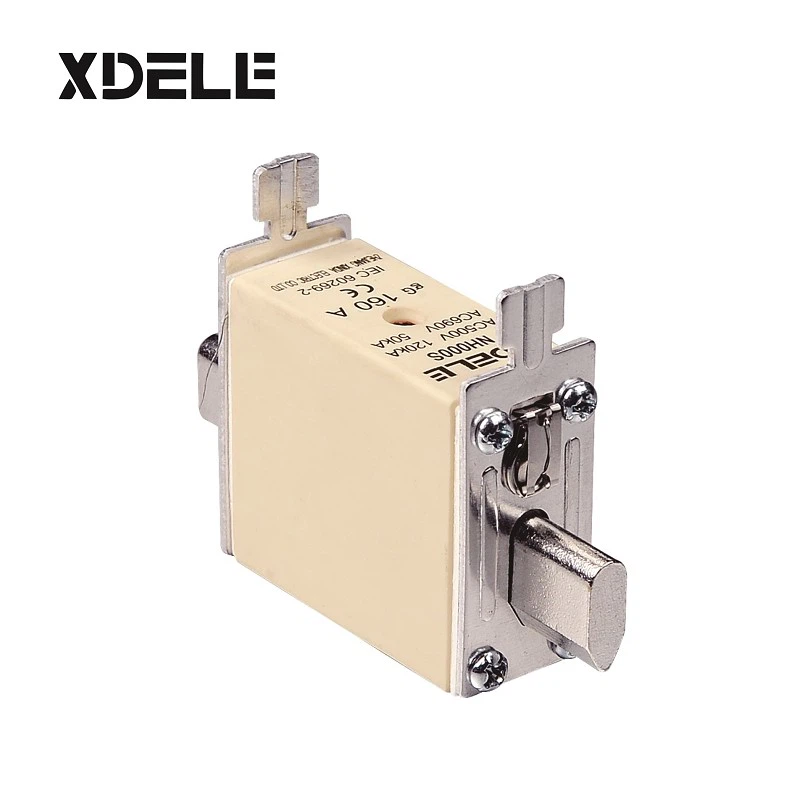
First off, let's understand what NH HRC fuses are. NH HRC (High Rupturing Capacity) fuses are designed to protect electrical circuits from over - current situations. They are widely used in various industrial and commercial applications because of their high breaking capacity and reliability.

Temperature and Humidity
One of the most crucial factors in storing NH HRC fuses is the temperature and humidity of the storage environment. These fuses are sensitive to extreme temperatures and high humidity levels.
The ideal temperature range for storing NH HRC fuses is between - 20°C and 50°C. Temperatures outside this range can have a negative impact on the fuse's performance. For instance, if the temperature is too low, the materials inside the fuse may become brittle, which can lead to cracks or other structural damage. On the other hand, high temperatures can cause the fuse elements to expand or the insulation materials to degrade, reducing the fuse's effectiveness.
Humidity is another important consideration. High humidity can cause corrosion on the fuse terminals and other metal parts. This corrosion can increase the resistance of the fuse, leading to overheating and potentially premature failure. It's recommended to keep the relative humidity in the storage area below 75%. If you're storing the fuses in a particularly humid environment, you might want to consider using dehumidifiers or storing the fuses in sealed containers with desiccants.
Storage Location
The location where you store your NH HRC fuses also matters a great deal. You should store them in a clean, dry, and well - ventilated area. Avoid storing them in areas prone to dust, dirt, or chemical contaminants. Dust and dirt can accumulate on the fuse surfaces, which may affect their electrical properties. Chemical contaminants, such as acids or alkalis, can corrode the fuse components and render them useless.
It's also a good idea to store the fuses away from direct sunlight. Ultraviolet rays from the sun can cause the insulation materials to deteriorate over time. If possible, store the fuses in a dark or shaded area.
Packaging
Proper packaging is essential for the long - term storage of NH HRC fuses. When you receive the fuses from the supplier, they usually come in protective packaging. It's best to keep them in this original packaging until you're ready to use them. The original packaging is designed to protect the fuses from physical damage, dust, and moisture.
If you need to transfer the fuses to a different storage container, make sure the new container is clean, dry, and provides adequate protection. You can use plastic or metal containers, but ensure they are sealed properly to prevent the entry of dust and moisture.
Handling During Storage
When handling NH HRC fuses during storage, be gentle. Rough handling can cause internal damage to the fuse elements or the insulation. Avoid dropping or hitting the fuses. When moving the fuses, use appropriate handling equipment, such as gloves and lifting tools if necessary.
It's also important to store the fuses in an upright position. Storing them horizontally or at an angle can cause the internal components to shift, which may affect the fuse's performance.
Compatibility with Other Materials
When storing NH HRC fuses, you need to be careful about what other materials they are stored with. Some materials may react with the fuse components. For example, don't store the fuses near materials that release corrosive gases, such as certain types of rubber or plastics.
Stock Rotation
If you have a large inventory of NH HRC fuses, it's a good practice to implement a stock rotation system. This means using the oldest fuses first. Fuses can have a limited shelf life, and over time, their performance may degrade even if they are stored under ideal conditions. By using the oldest fuses first, you can ensure that you're always using fuses at their best performance level.
Special Considerations for Different Types of NH HRC Fuses
There are different types of NH HRC fuses, and each may have some specific storage requirements. For example, the NT/NH0 Fuse Linking may have different packaging and handling needs compared to other types. The NH00C with Indicator Fuse Link has an indicator mechanism, which needs to be protected from damage during storage. And the NH Copper Rod may require special attention to prevent oxidation of the copper.
In conclusion, storing NH HRC fuses properly is crucial to ensure their performance and longevity. By paying attention to temperature, humidity, storage location, packaging, handling, compatibility with other materials, and stock rotation, you can keep your fuses in excellent condition.
If you're in the market for high - quality NH HRC fuses or have any questions about their storage or usage, don't hesitate to reach out. We're here to help you make the right choices for your electrical protection needs. Whether you're a small business or a large industrial facility, we can provide you with the best NH HRC fuses that meet your requirements. Contact us today to start a procurement discussion and find out how we can serve you better.
References
- Electrical Fuse Handbook, Various Industry Publications
- Manufacturer's Guidelines for NH HRC Fuses