

Hey there! As an NT/NH fuse link supplier, I often get asked whether NT/NH fuse links can be used in air - conditioning systems. It's a question that has a lot of aspects to consider, so let's dive right in.
First off, let's understand what NT/NH fuse links are. NT/NH fuse links are high - breaking - capacity fuses commonly used in electrical circuits. They're designed to protect electrical equipment from overcurrent situations. When there's an excessive current flowing through the circuit, the fuse link melts, breaking the circuit and preventing damage to the equipment.
Now, let's talk about air - conditioning systems. These systems are complex and consist of various electrical components like compressors, fans, and control circuits. All these components need proper protection from electrical faults such as short - circuits and overloads. That's where fuses come in.
One of the key advantages of using NT/NH fuse links in air - conditioning systems is their high breaking capacity. Air - conditioning compressors, for example, can draw a large amount of current during startup. If there's a fault during this high - current draw, a fuse with a low breaking capacity might not be able to interrupt the circuit effectively, leading to potential damage to the compressor and other components. NT/NH fuse links, on the other hand, can handle high - current faults without any issues.
Another benefit is their reliability. NT/NH fuse links are manufactured to strict standards, ensuring consistent performance. In an air - conditioning system, reliability is crucial. A faulty fuse can lead to system failures, which can be a major inconvenience, especially in commercial or industrial settings where air - conditioning is essential for comfort and the proper functioning of equipment.
Let's take a look at some specific types of NT/NH fuse links that could be used in air - conditioning systems. The NT/NH00 Fuse Link is a great option for smaller air - conditioning units. These units typically have lower power requirements, and the NT/NH00 fuse link can provide the right level of protection. It's compact and can easily fit into the electrical panels of smaller systems.
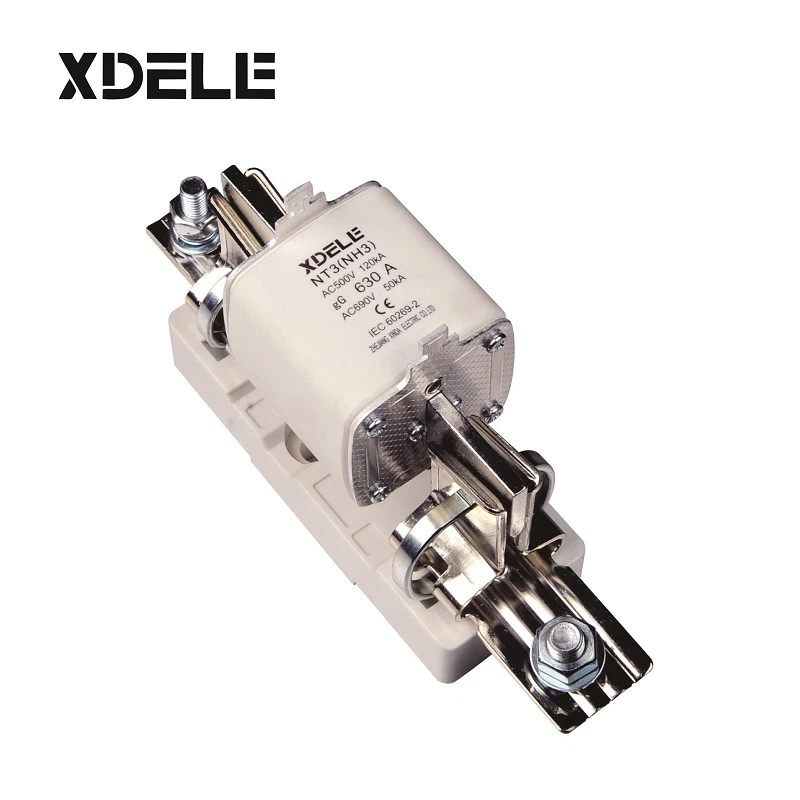
For larger air - conditioning systems, the NT/NH3 Fuse Link might be more suitable. Larger systems draw more current, and the NT/NH3 fuse link has a higher rating, allowing it to handle the increased electrical load. It can protect the compressor, fans, and other high - power components in these systems.
The NH1 with Indicator Fuse Link is also a valuable addition to air - conditioning systems. The indicator on this fuse link makes it easy to tell if the fuse has blown. This is very useful for maintenance personnel, as they can quickly identify and replace a blown fuse, reducing downtime.
However, there are also some factors to consider when using NT/NH fuse links in air - conditioning systems. One is the ambient temperature. Air - conditioning systems often operate in a wide range of temperatures. High ambient temperatures can affect the performance of fuses. NT/NH fuse links are designed to work within a certain temperature range, and if the temperature exceeds this range, the fuse might blow prematurely or not function as intended. So, it's important to choose a fuse link that can handle the expected ambient temperatures in the installation location.
Another factor is the inrush current. As mentioned earlier, air - conditioning compressors have a high inrush current during startup. The fuse link needs to be able to withstand this inrush without blowing. Some NT/NH fuse links are designed with special characteristics to handle inrush currents, and it's important to select the right one for the specific air - conditioning system.
In addition, the electrical characteristics of the air - conditioning system, such as the voltage and frequency, need to be compatible with the NT/NH fuse link. Using an incompatible fuse link can lead to improper protection and potential safety hazards.

To sum it up, NT/NH fuse links can definitely be used in air - conditioning systems. They offer high breaking capacity, reliability, and a range of options to suit different system sizes and requirements. However, it's important to carefully consider factors like ambient temperature, inrush current, and electrical compatibility.
If you're in the market for NT/NH fuse links for your air - conditioning systems, I'd love to have a chat with you. Whether you're a contractor, an installer, or a facility manager, I can help you choose the right fuse links for your specific needs. Feel free to reach out to me to start the procurement process and discuss your requirements in detail.
References
- Electrical Engineering Handbook: Covers general knowledge about fuses and their applications in electrical systems.
- Air - Conditioning System Design Manual: Provides information on the electrical components and requirements of air - conditioning systems.