

Hey there! I'm a supplier from a fuse factory, and today I wanna chat about how we ensure product competitiveness in price. In the cut - throat market of fuses, price is a huge factor that can make or break a deal. So, how do we manage to offer great products at competitive prices? Let's dig in.
Cost - effective Sourcing
First off, sourcing is key. We've built strong relationships with raw material suppliers over the years. By buying in bulk, we can get better deals on things like copper, aluminum, and other metals used in fuse production. For example, we negotiate long - term contracts with our suppliers. These contracts lock in prices for a certain period, protecting us from sudden price hikes in the raw material market.
We also constantly look for new suppliers. If we find a supplier that can offer the same quality of raw materials at a lower price, we're not afraid to make the switch. But it's not just about price; quality is still our top priority. We have strict quality control measures in place to ensure that any new supplier meets our standards.
Efficient Production Processes
Our production processes are designed to be as efficient as possible. We've invested a lot in modern manufacturing equipment. These machines can produce fuses at a much faster rate compared to traditional methods. For instance, our automated assembly lines can put together a large number of fuses in a short time. This not only increases our production capacity but also reduces labor costs.
We also regularly review and optimize our production workflows. By eliminating unnecessary steps and streamlining operations, we can save both time and money. For example, we used to have a complex inspection process that involved multiple manual checks. After re - evaluating it, we were able to combine some of the checks and use automated inspection machines, which sped up the process and cut down on labor.
Product Standardization
Standardizing our products is another way we keep costs down. We focus on producing a range of standard fuse models that are in high demand. By doing this, we can achieve economies of scale. For example, when we produce a large quantity of a particular type of fuse, the cost per unit goes down.
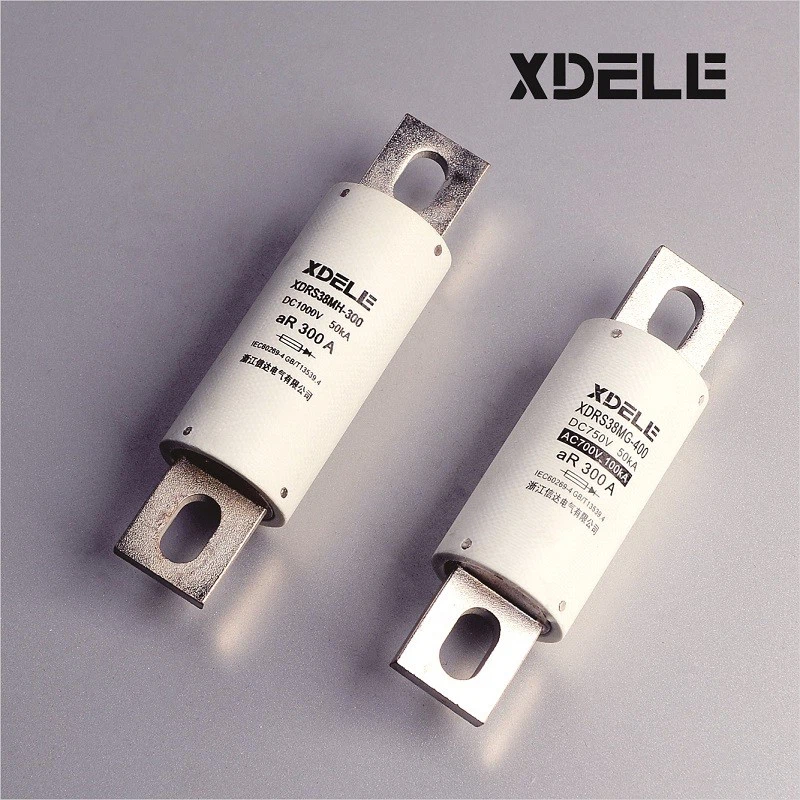
We offer a variety of standard fuses, like the DC1000V Electric Vehicle Fuse Link and the DC750V Electric Vehicle Fuse Link. These are popular in the electric vehicle market, and by standardizing their production, we can offer them at a competitive price.
Lean Management
We practice lean management principles in our factory. This means we aim to minimize waste in all forms. We keep a close eye on inventory levels. Overstocking can tie up a lot of capital, so we use a just - in - time inventory system. This ensures that we have just enough raw materials and finished products on hand to meet customer demand without having excessive stockpiles.
We also look at waste in terms of energy consumption. Our factory has implemented energy - saving measures, such as using energy - efficient lighting and optimizing the operation of our manufacturing equipment. These small steps add up and help us reduce overall production costs.
Continuous Innovation
Innovation is not just about developing new products; it's also about finding new ways to reduce costs. Our R & D team is constantly looking for new materials or manufacturing techniques that can be more cost - effective. For example, they might discover a new alloy that can be used in fuses, which is cheaper than the current materials but still meets the required performance standards.
We also listen to our customers. Their feedback can give us ideas on how to improve our products and reduce costs. If a customer suggests a change that can simplify the design of a fuse without sacrificing quality, we'll consider it. This way, we can make our products more competitive in the market.
Strategic Pricing
Our pricing strategy is carefully thought out. We don't just set prices based on our costs. We also take into account the market demand and the prices of our competitors. We conduct regular market research to understand what customers are willing to pay for our fuses.
If the market is price - sensitive, we might offer discounts or special promotions. But we also make sure that our prices are sustainable in the long run. We don't want to engage in a price war that can hurt our profit margins. Instead, we focus on offering good value for money.

After - sales Service
Good after - sales service can also contribute to our product competitiveness. By providing excellent support to our customers, we can build long - term relationships. This can lead to repeat business, which is more cost - effective than constantly looking for new customers.
We offer technical support, warranty services, and easy return policies. If a customer has an issue with a fuse, we'll quickly address it. This not only satisfies the customer but also helps us maintain a good reputation in the market.
In conclusion, ensuring product competitiveness in price is a multi - faceted approach. It involves everything from smart sourcing and efficient production to strategic pricing and great after - sales service. We're always looking for new ways to improve and stay ahead in the market.
If you're in the market for high - quality, competitively priced fuses, I'd love to talk to you. Whether you're an electric vehicle manufacturer, a distributor, or anyone in need of fuses, we can provide the right solutions for you. Let's have a chat about your requirements and see how we can work together.
References
- "Manufacturing Cost Management" by John Smith
- "Lean Manufacturing Principles" by Jane Doe
- "Pricing Strategies in the Electrical Components Market" by Mark Johnson