

Hey there! As a PV FUSE BASE supplier, I often get asked how to compare the prices of different PV FUSE BASEs. It's a crucial question, especially in the solar industry where every penny counts. In this blog, I'll share some tips and tricks on how to make an informed decision when comparing prices.
Understand Your Requirements
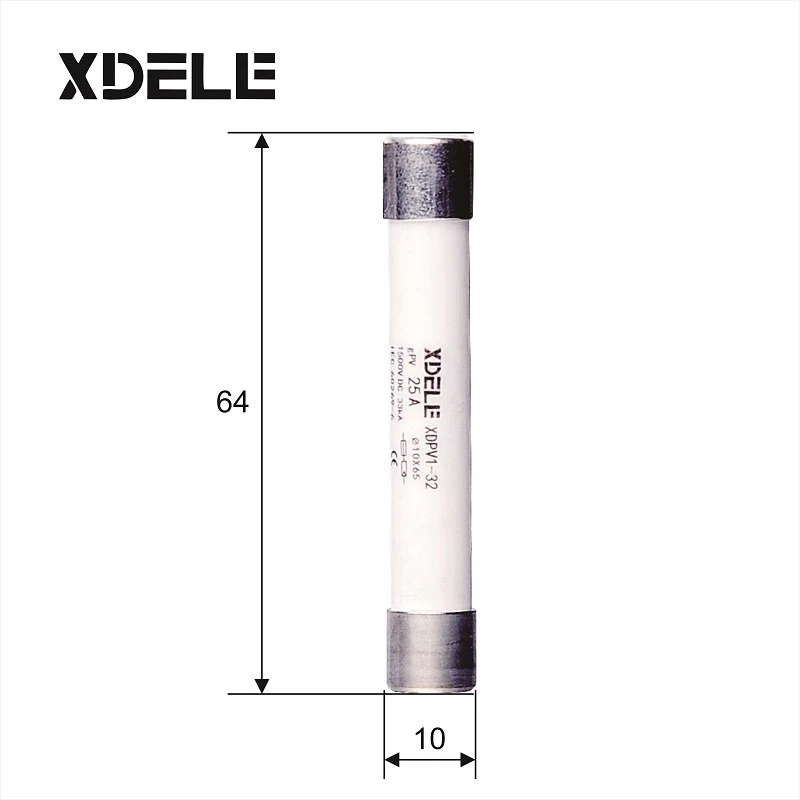
Before you start comparing prices, it's essential to understand your specific requirements. The type of PV FUSE BASE you need depends on various factors such as the voltage, current rating, and the application. For example, if you're working on a solar project that requires a high - voltage system, you might need a DC1000V Solar PV Fuse Base or a DC1500V 10 X 65 PV Fuse.
Voltage is a key factor. Higher voltage systems need fuses and fuse bases that can handle the increased electrical potential. A DC1000V system won't be compatible with a fuse base designed for a lower voltage, like 600V. So, make sure you know the exact voltage of your solar installation.
Current rating is also crucial. It refers to the maximum amount of current that the fuse and fuse base can safely carry. If you choose a fuse base with a lower current rating than your system's requirements, it might blow frequently, causing disruptions. On the other hand, a very high - current - rated fuse base might be overkill and more expensive than necessary.
Quality Matters
When comparing prices, don't just go for the cheapest option. Quality is a major factor that can affect the long - term performance and safety of your solar system. A high - quality PV FUSE BASE is made from durable materials that can withstand harsh environmental conditions, such as extreme temperatures, humidity, and UV radiation.
Cheaper fuse bases might use sub - standard materials, which can lead to premature failure. This not only means you'll have to replace the fuse base more often but also poses a safety risk. A faulty fuse base can cause electrical shorts, which can damage your solar panels and other components of the system.
Look for suppliers that have a good reputation for quality. You can check online reviews, ask for recommendations from other solar installers, or look for certifications such as UL (Underwriters Laboratories) or TUV (Technischer Überwachungsverein). These certifications indicate that the product meets certain safety and performance standards.
Supplier Reputation
The reputation of the supplier is another important aspect when comparing prices. A reliable supplier will offer not only a good product but also excellent customer service. They should be able to provide technical support, answer your questions, and offer warranties on their products.
Some suppliers might offer lower prices, but they could have a history of late deliveries or poor customer support. If you face any issues with the product after purchase, it's crucial to have a supplier who will stand by you. You don't want to be left high and dry when there's a problem with your PV FUSE BASE.
Do some research on the suppliers you're considering. Check their website, see how long they've been in business, and look for any industry awards or recognition. A well - established supplier is more likely to offer a stable product and better service.
Additional Costs
When comparing prices, it's important to look beyond the initial purchase price. There are often additional costs that can add up. For example, shipping costs can vary widely depending on the supplier's location and the shipping method. Some suppliers might offer free shipping, while others can charge a significant amount.
Installation costs are another factor. Some PV FUSE BASEs are easier to install than others. If you're not an experienced installer, you might need to hire a professional, which can add to the overall cost. Consider the complexity of the installation when making your decision.
Maintenance costs are also something to keep in mind. A high - quality fuse base might require less maintenance over time, while a cheaper one could need more frequent inspections and replacements.
Compare Multiple Quotes
Don't just settle for the first quote you get. Reach out to multiple suppliers and get detailed quotes. Make sure the quotes include all the relevant information, such as the price of the PV FUSE BASE, shipping costs, and any additional fees.
When comparing quotes, make sure you're comparing apples to apples. Check that the specifications of the fuse bases are the same. For example, if one quote is for a DC1000V Solar PV Fuse Holder with a certain current rating and another is for a different rating, you can't directly compare the prices.
It's also a good idea to ask for samples from the suppliers. This way, you can physically examine the quality of the PV FUSE BASE before making a purchase.

Long - Term Value
Instead of just focusing on the short - term cost, think about the long - term value of the PV FUSE BASE. A slightly more expensive fuse base that lasts longer and performs better can save you money in the long run.
For example, if a high - quality fuse base costs 20% more than a cheaper one but lasts twice as long, you'll actually end up spending less on replacements over time. Plus, you'll have the peace of mind knowing that your solar system is protected by a reliable component.
Contact for Purchase and Discussion
If you're interested in learning more about our PV FUSE BASEs or getting a quote, we'd love to hear from you. Whether you're a small - scale solar installer or a large - scale solar project developer, we have the right solutions for you. Reach out to us, and let's start a conversation about how we can meet your PV FUSE BASE needs.
References
- Industry standards and guidelines from UL.
- Research on PV FUSE BASE performance in different environmental conditions from TUV.
So, there you have it! By following these tips, you should be able to compare the prices of different PV FUSE BASEs effectively and make a smart purchasing decision.