

As a supplier of NH HRC (High Rupturing Capacity) fuses, I understand the critical importance of proper storage for these essential electrical components. NH HRC fuses are designed to protect electrical circuits from overcurrent and short - circuit conditions, and their performance can be significantly affected by improper storage. In this blog, I will share some key guidelines on how to store NH HRC fuses properly.
1. Environmental Conditions
Temperature
Temperature is one of the most crucial factors when it comes to storing NH HRC fuses. Extreme temperatures can have a detrimental impact on the fuse's internal structure and performance. High temperatures can cause the fuse element to expand, which may lead to changes in its resistance and reduced accuracy in breaking the circuit when needed. On the other hand, low temperatures can make the fuse element brittle, increasing the risk of mechanical damage.
It is recommended to store NH HRC fuses in an environment where the temperature ranges from - 25°C to 55°C. This temperature range ensures that the fuse remains in a stable condition and retains its electrical and mechanical properties. For example, in a warehouse, it is important to have a proper temperature - control system, such as air - conditioning or heating, to maintain the ideal temperature.
Humidity
Humidity can also pose a threat to NH HRC fuses. High humidity levels can cause corrosion on the fuse terminals and other metal parts. Corrosion can increase the contact resistance, which may lead to overheating and premature failure of the fuse.
To prevent this, the relative humidity in the storage area should be kept between 10% and 90%. Dehumidifiers can be used in areas with high humidity to reduce the moisture content in the air. Additionally, fuses should be stored in sealed containers or packaging to further protect them from moisture.
Dust and Contamination
Dust and other contaminants can accumulate on the surface of NH HRC fuses, which can affect their electrical insulation properties. Fine dust particles can also enter the fuse and interfere with its internal components.
The storage area should be kept clean and free from excessive dust. Regular cleaning of the storage shelves and floors is necessary. Fuses should be stored in closed cabinets or storage units to minimize the exposure to dust.
2. Packaging and Storage Containers
Original Packaging
The original packaging provided by the manufacturer is designed to protect the NH HRC fuses during transportation and storage. It usually has proper cushioning and protection against physical damage. Therefore, it is advisable to keep the fuses in their original packaging as long as possible.
The original packaging also contains important information about the fuse, such as its rating, type, and manufacturing date. This information can be useful for inventory management and quality control.
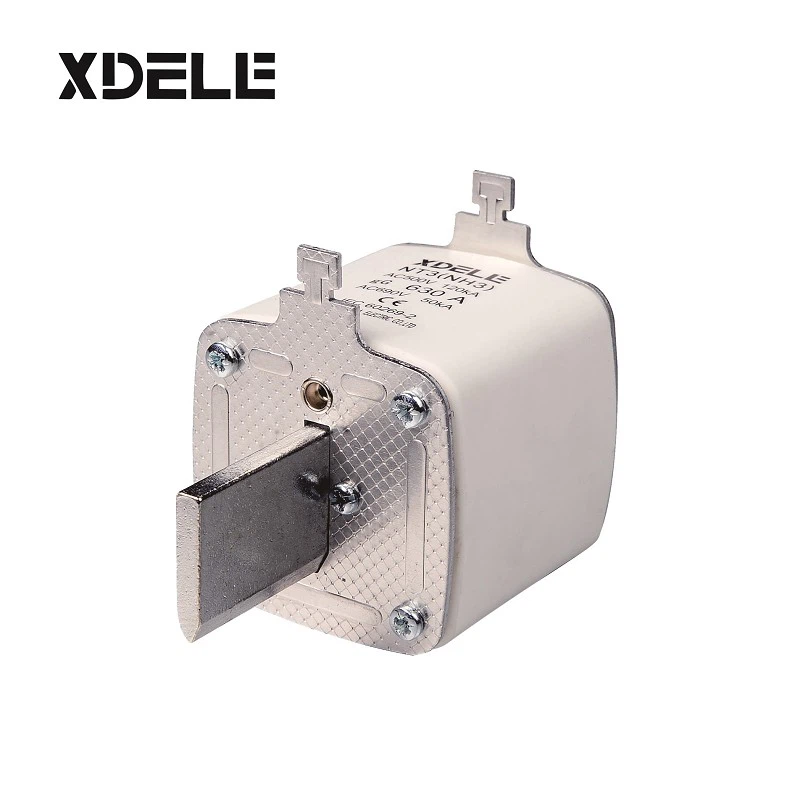
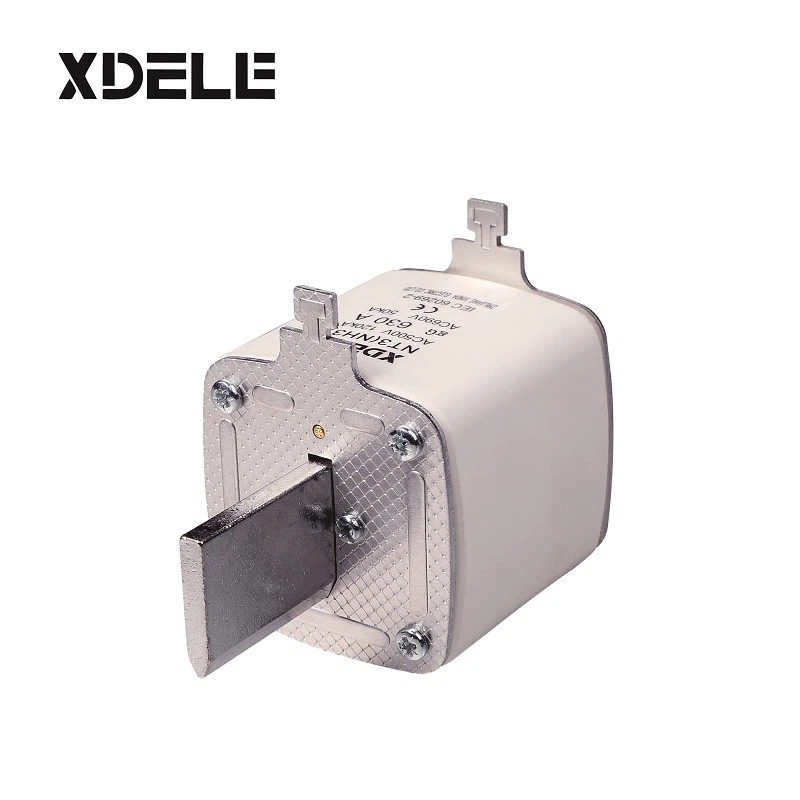
Secondary Packaging
If the original packaging is damaged or not suitable for long - term storage, secondary packaging can be used. For example, plastic or metal containers can be used to store the fuses. These containers should be clean, dry, and have a tight - fitting lid to prevent the entry of dust and moisture.
Storage Shelves
Fuses should be stored on sturdy and clean storage shelves. The shelves should be made of materials that do not react with the fuses or cause any damage. Wooden shelves can be a good option as long as they are well - maintained and free from splinters or other sharp edges.
The fuses should be arranged in an orderly manner on the shelves, and there should be enough space between each fuse to prevent them from touching or rubbing against each other, which could cause physical damage.
3. Handling and Storage Precautions
Avoiding Physical Damage
During handling and storage, it is important to avoid any physical damage to the NH HRC fuses. Dropping or hitting the fuses can cause internal damage to the fuse element or other components, which can affect its performance.
When moving the fuses, they should be handled with care. Gloves can be worn to prevent fingerprints and other contaminants from getting on the fuses. If the fuses are being transported within the storage area, they should be placed in a suitable container or tray to prevent them from moving around and getting damaged.
Separation by Type and Rating
NH HRC fuses come in different types and ratings. It is essential to separate them during storage to avoid confusion and ensure that the correct fuse is used when needed.
For example, fuses with different current ratings should be stored in different sections of the storage area. Labels can be used to clearly mark the type and rating of each fuse. This will make it easier for the staff to locate the required fuse quickly and accurately.
4. Inventory Management
First - In, First - Out (FIFO)
Implementing a First - In, First - Out inventory management system is important for NH HRC fuses. This means that the fuses that were received first should be used or sold first.
This helps to ensure that the fuses do not exceed their recommended storage life. Over time, the performance of the fuses may degrade, even if they are stored under ideal conditions. By using the FIFO system, the risk of using old and potentially degraded fuses is minimized.
Regular Inspection
Regular inspection of the stored NH HRC fuses is necessary. Inspections should be carried out at least once every few months to check for any signs of damage, corrosion, or other issues.
During the inspection, the fuses should be visually examined for any physical damage, such as cracks or bent terminals. The contact resistance of the terminals can also be measured to ensure that it is within the acceptable range. Any fuses that show signs of damage or degradation should be removed from the inventory and replaced.
Conclusion
Proper storage of NH HRC fuses is essential to ensure their performance and reliability. By controlling the environmental conditions, using appropriate packaging and storage containers, taking handling and storage precautions, and implementing good inventory management practices, the quality of the fuses can be maintained.
As a supplier of NH HRC fuses, we offer a wide range of high - quality products, including NH0 with Indicator Fuse Link, NT/NH4 Fuse Link, and NT/NH3 Fuse Link. If you are interested in purchasing our NH HRC fuses or have any questions about their storage or usage, please feel free to contact us for further discussion and negotiation.
References
- Electrical Safety Standards Handbook
- Manufacturer's Guidelines for NH HRC Fuses