

A sacrificial fuse is a crucial component in electrical systems, serving as a safety device that protects circuits from overcurrent conditions. As a fuse supplier, I have witnessed firsthand the importance of sacrificial fuses in safeguarding electrical equipment and preventing potential hazards. In this blog post, I will delve into the concept of sacrificial fuses, exploring their functionality, applications, and the significance of choosing the right fuse for specific electrical systems.
What is a Sacrificial Fuse?
A sacrificial fuse, also known as a safety fuse or a current-limiting fuse, is designed to break an electrical circuit when the current flowing through it exceeds a predetermined value. This is achieved by the fuse's fusible element, which is typically made of a metal alloy with a low melting point. When an overcurrent occurs, the heat generated by the excessive current causes the fusible element to melt, creating an open circuit and interrupting the flow of electricity.
The primary function of a sacrificial fuse is to protect electrical equipment and wiring from damage caused by overcurrent. Overcurrent can result from various factors, such as short circuits, overloads, or faults in the electrical system. Without a sacrificial fuse, these overcurrent conditions can lead to overheating, electrical fires, and damage to sensitive electronic components. By sacrificing itself, the fuse prevents further damage to the electrical system and ensures the safety of the equipment and its users.
How Does a Sacrificial Fuse Work?
The operation of a sacrificial fuse is based on the principle of electrical resistance and heat generation. When current flows through a conductor, it encounters resistance, which causes the conductor to heat up. The amount of heat generated is proportional to the square of the current and the resistance of the conductor (P = I²R, where P is power, I is current, and R is resistance).
In a sacrificial fuse, the fusible element is designed to have a specific resistance and melting point. Under normal operating conditions, the current flowing through the fuse is within the rated value, and the heat generated is dissipated without causing the fusible element to melt. However, when an overcurrent occurs, the increased current causes the fusible element to heat up rapidly. Once the temperature reaches the melting point of the fusible element, it melts and breaks the circuit, interrupting the flow of electricity.
The time it takes for a fuse to blow depends on the magnitude of the overcurrent and the characteristics of the fuse. Fuses are typically rated for a specific current and time-delay, which indicates how quickly the fuse will blow in response to an overcurrent. Fast-acting fuses are designed to blow quickly in the event of a short circuit or a large overcurrent, while time-delay fuses are used in applications where temporary overloads are common, such as motors and transformers.
Applications of Sacrificial Fuses
Sacrificial fuses are used in a wide range of electrical applications, from household appliances to industrial machinery and automotive systems. Some common applications of sacrificial fuses include:
- Residential Electrical Systems: In homes, fuses are used to protect electrical circuits from overcurrent and short circuits. Circuit breakers are also commonly used in modern residential electrical systems, but fuses are still used in some older homes.
- Industrial Electrical Systems: Industrial equipment, such as motors, generators, and transformers, requires protection from overcurrent and short circuits. Sacrificial fuses are used in industrial electrical systems to ensure the safety and reliability of the equipment.
- Automotive Electrical Systems: In vehicles, fuses are used to protect the electrical components from overcurrent and short circuits. Automotive fuses are typically rated for a specific voltage and current, and they are designed to withstand the harsh operating conditions of a vehicle.
- Renewable Energy Systems: Solar panels, wind turbines, and other renewable energy systems require protection from overcurrent and short circuits. Sacrificial fuses are used in renewable energy systems to protect the electrical components and ensure the safety and reliability of the system.
Choosing the Right Sacrificial Fuse
Choosing the right sacrificial fuse for a specific electrical system is crucial to ensure the safety and reliability of the equipment. When selecting a fuse, several factors need to be considered, including the rated current, voltage, time-delay, and interrupting rating.

- Rated Current: The rated current of a fuse is the maximum current that the fuse can carry continuously without blowing. It is important to choose a fuse with a rated current that is appropriate for the electrical load. If the rated current of the fuse is too low, the fuse may blow under normal operating conditions. If the rated current of the fuse is too high, the fuse may not blow in the event of an overcurrent, which can lead to damage to the electrical equipment.
- Voltage Rating: The voltage rating of a fuse is the maximum voltage that the fuse can safely interrupt. It is important to choose a fuse with a voltage rating that is equal to or greater than the maximum voltage of the electrical system. Using a fuse with a voltage rating that is too low can result in arcing and failure of the fuse.
- Time-Delay: The time-delay of a fuse indicates how quickly the fuse will blow in response to an overcurrent. Fast-acting fuses are designed to blow quickly in the event of a short circuit or a large overcurrent, while time-delay fuses are used in applications where temporary overloads are common, such as motors and transformers. It is important to choose a fuse with the appropriate time-delay for the specific application.
- Interrupting Rating: The interrupting rating of a fuse is the maximum current that the fuse can safely interrupt without causing damage to the fuse or the electrical system. It is important to choose a fuse with an interrupting rating that is equal to or greater than the maximum fault current of the electrical system. Using a fuse with an interrupting rating that is too low can result in explosive failure of the fuse and damage to the electrical equipment.
Our Fuse Products
As a fuse supplier, we offer a wide range of sacrificial fuses for various applications. Our fuses are designed to meet the highest quality standards and provide reliable protection for electrical systems. Some of our popular fuse products include:
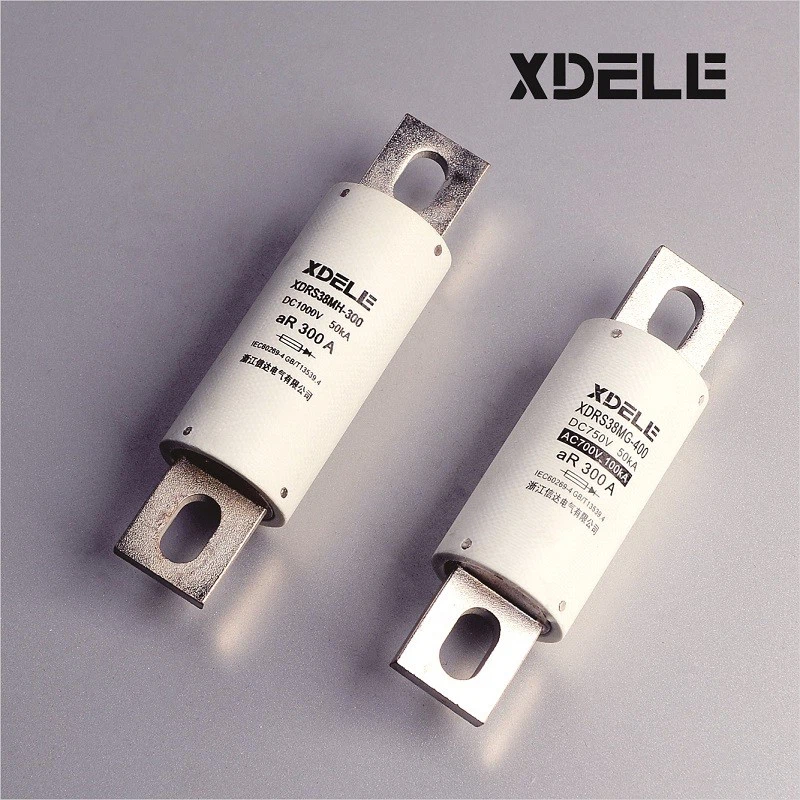
- DC750V Electric Vehicle Fuse Link: This fuse is specifically designed for use in electric vehicle charging piles and other high-voltage DC applications. It has a rated voltage of 750V and a high interrupting rating, making it suitable for use in demanding electrical systems.
- DC1000V Electric Vehicle Fuse Link: This fuse is designed for use in high-voltage DC applications, such as electric vehicle charging stations and renewable energy systems. It has a rated voltage of 1000V and a high interrupting rating, providing reliable protection for electrical equipment.
Contact Us for Procurement
If you are in need of sacrificial fuses for your electrical system, we would be happy to assist you. Our team of experts can help you choose the right fuse for your specific application and provide you with competitive pricing and excellent customer service. Please contact us to discuss your procurement needs and start a partnership with us.
References
- Grob, Bernard, and Mitchel M. Gross. Understanding Basic Electronics. McGraw-Hill, 2004.
- Neaman, Donald A. Electronic Circuit Analysis and Design. McGraw-Hill, 2010.
- Dorf, Richard C., and James A. Svoboda. Introduction to Electric Circuits. Wiley, 2014.