

Hey there! As a fuse supplier, I often get asked about the difference between slow - blow fuses and fast - blow fuses. It's a crucial question, especially for those who are in charge of electrical systems, whether it's in a small household appliance or a large - scale industrial setup. So, let's dive right in and break down the differences between these two types of fuses.
What Are Fuses Anyway?
Before we get into the specific differences between slow - blow and fast - blow fuses, let's quickly cover what fuses are. A fuse is a safety device used in electrical circuits. It's basically a thin piece of wire or a metal strip inside a protective casing. When the current flowing through the circuit exceeds a certain level (the fuse's rated current), the wire or strip melts, breaking the circuit. This prevents excessive current from flowing through the circuit, which could otherwise cause damage to the electrical equipment or even start a fire.

How Fast - Blow Fuses Work
Fast - blow fuses, like the name suggests, are designed to blow (melt and break the circuit) very quickly when the current exceeds the rated value. They are extremely sensitive to over - current conditions. These fuses have a low melting - point wire that is thin and highly conductive. When the current goes above the rated level, the heat generated in the wire causes it to melt almost instantaneously.
Fast - blow fuses are commonly used in circuits where a short - circuit or a sudden surge in current can cause immediate damage. For example, in electronic devices such as computers, televisions, and smartphones, fast - blow fuses are used to protect the sensitive components from being damaged by a sudden power spike. If there's a short - circuit in the power supply of a computer, a fast - blow fuse will quickly break the circuit, preventing damage to the motherboard and other components.
How Slow - Blow Fuses Work
Slow - blow fuses, on the other hand, are designed to withstand temporary over - current conditions without blowing. They have a thicker wire or a special construction that allows them to handle short - term current surges. When a slow - blow fuse is exposed to a short - term over - current, the heat generated in the wire is dissipated quickly enough so that the wire doesn't melt immediately.
However, if the over - current condition persists for a longer period, the slow - blow fuse will eventually blow. These fuses are ideal for circuits where there are normal, temporary current surges during startup or operation. For instance, in motors, when they start, they draw a much higher current than their normal operating current for a brief period. A slow - blow fuse can tolerate this startup surge without blowing and only break the circuit if there's a real problem, like a motor malfunction that causes a continuous over - current.
Key Differences Between Slow - Blow and Fast - Blow Fuses
Response Time
The most obvious difference is the response time. Fast - blow fuses react very quickly to over - current. They can blow within milliseconds when the current exceeds the rated value. In contrast, slow - blow fuses have a much longer response time. They can withstand short - term over - currents for a few seconds to a few minutes before blowing.
Application
As mentioned earlier, the application is also a big differentiator. Fast - blow fuses are used in electronics that require instant protection from short - circuits and sudden power surges. They are suitable for circuits with low - tolerance components. Slow - blow fuses are used in applications with motors, transformers, and other equipment that experience normal startup surges.
Construction
Fast - blow fuses usually have a thinner wire. This thinner wire has less mass and heats up quickly when there's an over - current, leading to a rapid melting. Slow - blow fuses have a thicker wire or a special construction that can dissipate heat and handle the temporary current surges.
When to Choose a Slow - Blow Fuse or a Fast - Blow Fuse
Deciding between a slow - blow and a fast - blow fuse depends on your specific application. If you're dealing with a circuit that has sensitive electronic components and can't tolerate even a short period of over - current, a fast - blow fuse is the way to go. For example, in a high - end audio amplifier, a fast - blow fuse can protect the delicate amplifier circuits from damage due to a short - circuit.
If your circuit has equipment that experiences normal startup surges, like motors in industrial machinery or home appliances, a slow - blow fuse is more appropriate. Using a fast - blow fuse in a circuit with motor startup surges would result in frequent fuse blowing, which is not only annoying but can also disrupt the normal operation of the equipment.
Our Fuse Offerings
At our company, we offer a wide range of both slow - blow and fast - blow fuses to meet your various needs. We understand that different applications require different types of fuses, and we're committed to providing high - quality products. Whether you need a fuse for a small electronic project or a large - scale industrial application, we've got you covered.
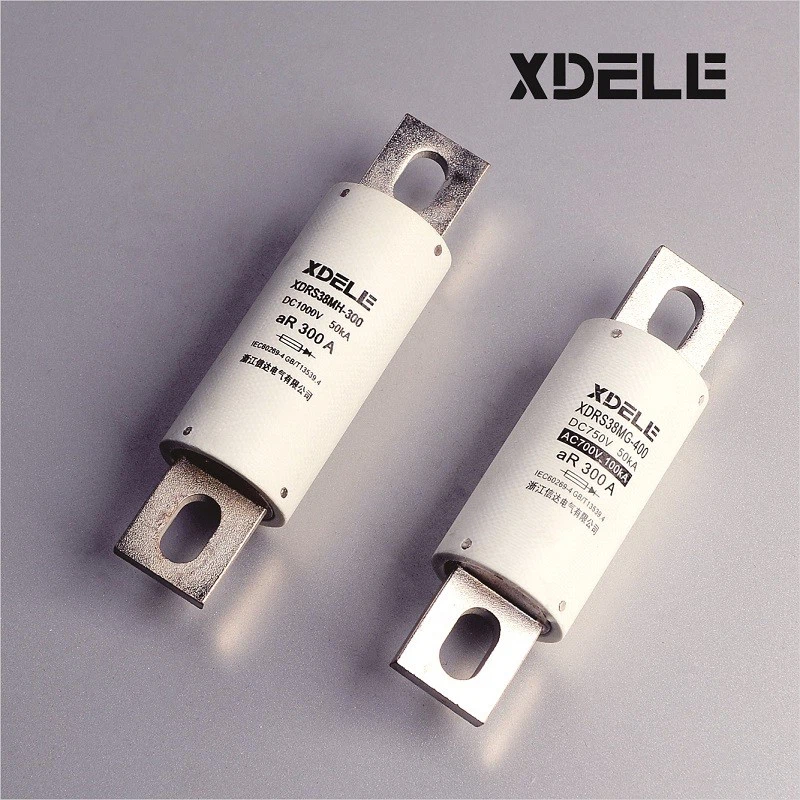
We also have some specialized fuses, such as the DC750V Electric Vehicle Fuse Link and the DC1000V Electric Vehicle Fuse Link. These fuses are designed specifically for electric vehicle charging piles, providing reliable protection in high - voltage DC circuits.
Why Choose Our Fuses
Our fuses are made with high - quality materials and strict manufacturing standards. We ensure that each fuse meets or exceeds the industry's safety requirements. Our team of experts is always ready to help you choose the right fuse for your application. Whether you're a DIY enthusiast, an electrical engineer, or a large - scale manufacturer, we can provide you with the best fuse solutions.
Let's Talk Business!
If you're in the market for fuses, whether it's fast - blow, slow - blow, or our specialized electric vehicle fuses, we'd love to hear from you. We can offer you competitive prices, excellent customer service, and fast delivery. So, don't hesitate to reach out and start a conversation about your fuse requirements. Our sales team is just a message or a call away, and we're eager to assist you in finding the perfect fuses for your projects.
References
- Electrical Engineering Handbook, various editions.
- Fuse manufacturing guides from industry associations.
- Technical papers on electrical protection devices.