

As a supplier of PV fuse bases, I often encounter inquiries about the electrical conductivity of our products. Electrical conductivity is a crucial property that affects the performance and safety of PV fuse bases in photovoltaic systems. In this blog, I will delve into the concept of electrical conductivity, its significance in PV fuse bases, and how our products meet the high - standard requirements.
Understanding Electrical Conductivity
Electrical conductivity, denoted by the symbol σ (sigma), is a measure of a material's ability to conduct an electric current. It is the reciprocal of electrical resistivity (ρ). The SI unit of electrical conductivity is siemens per meter (S/m). Materials with high electrical conductivity, such as metals, allow electrons to move freely through them, while insulators have very low conductivity.
In a PV system, electrical conductivity plays a vital role. The PV fuse base acts as a bridge between the fuse and the circuit. A high - conductivity fuse base ensures efficient transfer of electrical current from the PV panels to the rest of the system, minimizing power losses in the form of heat. When the conductivity is low, excessive heat can be generated, which may lead to premature failure of the fuse base, and in severe cases, pose a fire hazard.
Factors Affecting the Electrical Conductivity of PV Fuse Bases
Material Selection
The choice of material for PV fuse bases is of utmost importance. Commonly used materials include high - grade metals, such as copper and brass. Copper is well - known for its excellent electrical conductivity, with a conductivity of around (5.96\times10^{7}) S/m at room temperature. This high conductivity allows for low - resistance current flow. Brass, an alloy of copper and zinc, also offers good electrical conductivity, along with improved mechanical properties compared to pure copper.
We take great care in selecting the materials for our PV fuse bases. We source premium - quality copper and brass alloys that are specially treated to optimize their electrical and physical properties. The use of these high - grade materials ensures that our fuse bases can handle high currents with minimal power loss.
Surface Finish
The surface finish of the PV fuse base can also affect its electrical conductivity. A smooth and clean surface reduces contact resistance between the fuse and the base. When there are rough spots or impurities on the surface, the effective contact area between the two components decreases, leading to increased resistance and heat generation.
To achieve a high - quality surface finish, we employ advanced manufacturing processes. Our PV fuse bases undergo precision machining followed by strict quality control checks. The surfaces are then treated with anti - corrosion coatings to maintain their smoothness and conductivity over time.
Design and Construction
The design of the PV fuse base can have a significant impact on its electrical conductivity. A well - designed base will ensure a proper and secure connection between the fuse and the circuit. Features such as tight - fitting contacts and proper alignment help to minimize resistance at the connection points.
Our engineers have spent countless hours perfecting the design of our PV fuse bases. We use innovative designs that maximize the contact area between the fuse and the base while ensuring easy installation and removal. This not only improves electrical conductivity but also enhances the overall reliability of the PV system.
Testing and Certification of Electrical Conductivity
To ensure that our PV fuse bases meet the highest standards of electrical conductivity, we subject them to rigorous testing procedures. We use specialized equipment to measure the resistance and conductivity of each fuse base. These tests are conducted under various conditions, including different temperatures and humidity levels, to simulate real - world operating environments.
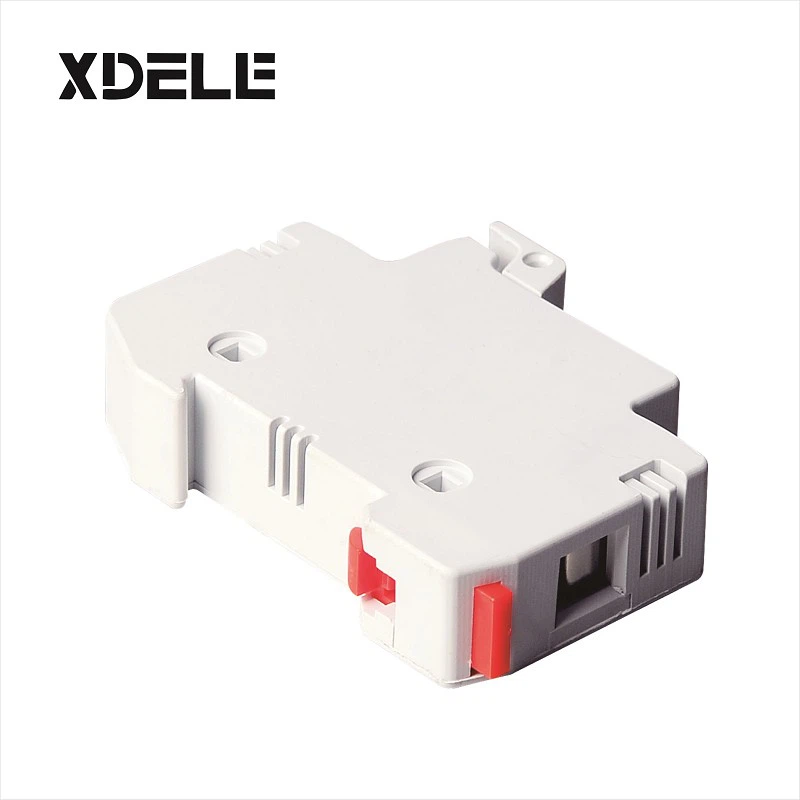
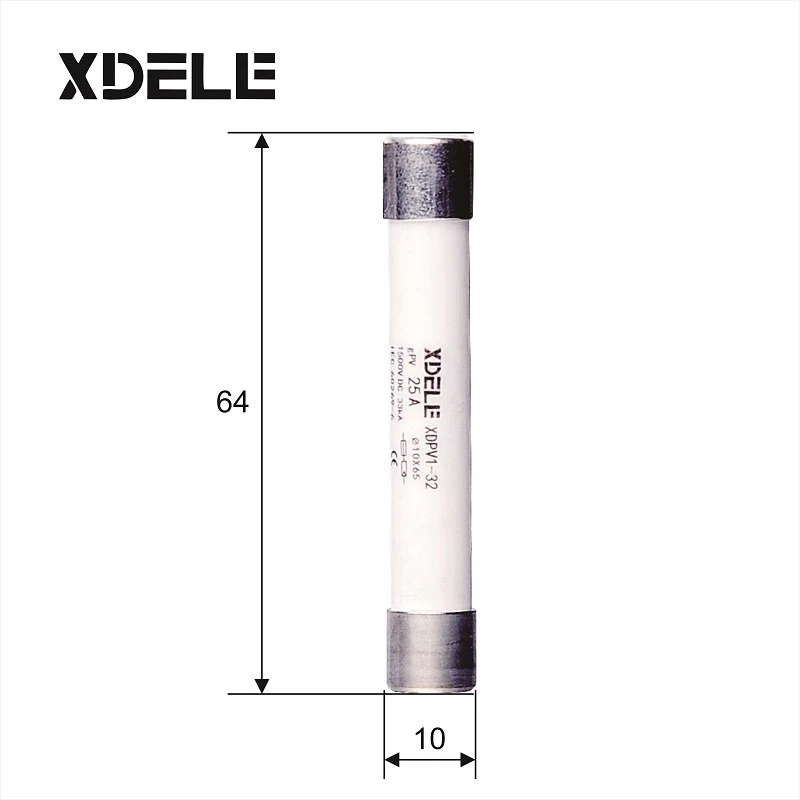
Our products are also certified by international standards organizations. These certifications serve as an assurance to our customers that our PV fuse bases meet or exceed industry - recognized electrical conductivity requirements. For example, compliance with standards such as UL (Underwriters Laboratories) and IEC (International Electrotechnical Commission) demonstrates our commitment to quality and safety.
Applications of Our PV Fuse Bases
Our PV fuse bases with high electrical conductivity are highly suitable for a wide range of PV applications. They are commonly used in residential, commercial, and utility - scale solar power plants. Whether it is a small rooftop solar installation or a large - scale solar farm, our PV fuse bases can provide reliable and efficient protection for the electrical circuits.
For instance, in a large - scale solar farm, where high currents are involved, the efficient transfer of electricity is crucial. Our high - conductivity PV fuse bases ensure that the power generated by the PV panels can be safely transmitted to the grid without significant losses. Similarly, in residential solar systems, the reliable performance of our fuse bases helps to protect the household electrical appliances and the overall PV system.
Related Products in Our Portfolio
In addition to our high - quality PV fuse bases, we also offer a variety of related products to meet the diverse needs of our customers. These include:
- DC1500V 10 X 65 PV Fuse: This fuse is designed to work in high - voltage PV systems, providing reliable over - current protection.
- DC1000V Solar PV Fuse Holder: Our fuse holders are engineered to securely hold the fuses and ensure proper electrical connections.
- DC1000V Solar PV Fuse Base: This specific fuse base is optimized for 1000V PV systems, offering excellent electrical conductivity and durability.
Conclusion and Call to Action
Electrical conductivity is a fundamental property of PV fuse bases that directly impacts the performance and safety of photovoltaic systems. Our commitment to using high - grade materials, advanced manufacturing processes, and strict quality control measures ensures that our PV fuse bases offer superior electrical conductivity.
If you are involved in the PV industry and are in need of high - quality PV fuse bases or related products, we invite you to reach out to us for a detailed discussion. Our team of experts is ready to provide you with professional advice and solutions tailored to your specific requirements. We look forward to the opportunity to work with you and contribute to the success of your PV projects.
References
- Electromagnetics and Applications by Jordan and Balmain
- Electrical Engineering: Principles and Applications by Allan R. Hambley
- IEC 60269 - 6: Low - voltage fuses. Part 6: Fuse - links for photovoltaic applications