

When it comes to electrical safety and protection, NH HRC (High Rupturing Capacity) fuses play a crucial role. As a reliable supplier of NH HRC fuses, I often receive inquiries about the lifespan of these essential components under normal use. In this blog post, I will delve into the factors that influence the lifespan of NH HRC fuses, provide an estimate of their typical lifespan, and offer some tips on how to maximize their longevity.
Understanding NH HRC Fuses
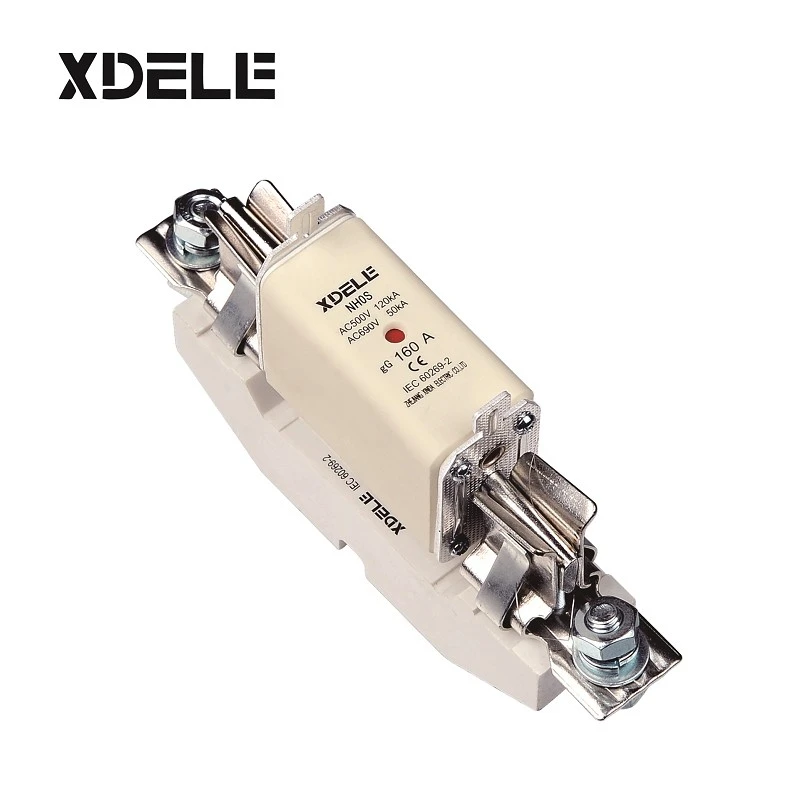
NH HRC fuses are designed to protect electrical circuits from overcurrent and short - circuit conditions. They are widely used in industrial, commercial, and residential applications due to their high interrupting capacity and reliable performance. These fuses consist of a fuse link, which is the part that melts when an excessive current flows through it, and a fuse carrier, which holds the fuse link in place.
The fuse link is typically made of a metal with a low melting point, such as copper or silver. When the current exceeds the rated value of the fuse, the heat generated by the current causes the fuse link to melt, thus breaking the circuit and protecting the connected equipment.
Factors Affecting the Lifespan of NH HRC Fuses
1. Operating Current
One of the most significant factors influencing the lifespan of NH HRC fuses is the operating current. Fuses are rated for a specific current value, and when the actual operating current is close to or exceeds this rated value, the lifespan of the fuse will be significantly reduced. For example, if a fuse is rated for 100A and is continuously subjected to a current of 120A, the increased heat generated by the overcurrent will cause the fuse link to degrade more quickly, leading to a shorter lifespan.
2. Ambient Temperature
The ambient temperature also has a major impact on the lifespan of NH HRC fuses. Fuses are designed to operate within a specific temperature range. When the ambient temperature is higher than the recommended range, the fuse link will heat up more easily, which can accelerate the aging process and reduce the lifespan of the fuse. Conversely, extremely low temperatures can also affect the performance of the fuse, although to a lesser extent.

3. Frequency of Overcurrent Events
Even if the overcurrent events are brief and do not cause the fuse to blow, they can still have a negative impact on the lifespan of the fuse. Each time an overcurrent occurs, the fuse link is subjected to thermal stress, which can cause microscopic damage to the metal structure of the fuse link. Over time, these cumulative damages can weaken the fuse link and reduce its ability to withstand future overcurrents.
4. Quality of the Fuse
The quality of the NH HRC fuse itself is another important factor. High - quality fuses are manufactured using better materials and more precise manufacturing processes, which can result in a longer lifespan. Cheaper, low - quality fuses may have inconsistent fuse link thickness or impurities in the metal, which can lead to premature failure.
Typical Lifespan of NH HRC Fuses Under Normal Use
Under normal operating conditions, which means the operating current is within the rated value, the ambient temperature is within the recommended range, and there are few overcurrent events, NH HRC fuses can have a relatively long lifespan. Generally, a well - maintained NH HRC fuse can last anywhere from 10 to 20 years.
However, it's important to note that this is just an estimate, and the actual lifespan can vary significantly depending on the factors mentioned above. For example, if the fuse is installed in an environment with high ambient temperatures or is frequently exposed to overcurrents, its lifespan may be reduced to just a few years.
Maximizing the Lifespan of NH HRC Fuses
1. Proper Sizing
Ensure that the NH HRC fuse is properly sized for the electrical circuit. Select a fuse with a rated current that is slightly higher than the normal operating current of the circuit but low enough to protect the equipment in case of an overcurrent. This will prevent the fuse from being subjected to unnecessary overcurrent stress.
2. Suitable Installation Location
Choose an appropriate installation location for the fuse. Avoid installing the fuse in areas with high ambient temperatures, such as near heat - generating equipment or in direct sunlight. Ensure that there is adequate ventilation around the fuse to dissipate heat effectively.
3. Regular Inspections
Perform regular inspections of the NH HRC fuses. Check for signs of overheating, such as discoloration or melting of the fuse link, and replace the fuse if any damage is detected. Additionally, inspect the fuse carrier for any signs of corrosion or damage, as this can also affect the performance of the fuse.
Our NH HRC Fuse Products
As a leading supplier of NH HRC fuses, we offer a wide range of high - quality products to meet the diverse needs of our customers. Our product portfolio includes NH0 with Indicator Fuse Link, which is equipped with an indicator to easily identify when the fuse has blown. We also have NH Copper Rod fuses, known for their excellent conductivity and reliability. And our NT/NH2 Fuse Links are designed to provide reliable protection for various electrical circuits.
Contact Us for Procurement
If you are in need of NH HRC fuses for your electrical projects, we are here to help. Our team of experts can assist you in selecting the right fuses for your specific requirements and provide you with professional advice on installation and maintenance. We are committed to providing high - quality products and excellent customer service. Contact us today to start the procurement process and ensure the safety and reliability of your electrical systems.
References
- "Electrical Fuse Handbook", McGraw - Hill
- "Power System Protection and Switchgear", Wiley