

How long does an NH fuse link last? This is a question that many electrical engineers, maintenance technicians, and facility managers often ask. As a trusted NH fuse link supplier, we understand the importance of this question and are here to provide you with comprehensive insights.
Understanding NH Fuse Links
NH fuse links are a type of high - performance fuse used in a wide range of electrical applications. They are designed to protect electrical circuits from overcurrent conditions, such as short - circuits and overloads. These fuses are known for their high breaking capacity, which means they can safely interrupt high - fault currents without causing damage to the surrounding equipment.
The construction of NH fuse links typically involves a fuse element made of a special alloy, enclosed in a ceramic or glass - fiber body. The fuse element is designed to melt and break the circuit when the current exceeds a certain value, thus protecting the electrical system.
Factors Affecting the Lifespan of NH Fuse Links
1. Operating Current
The most significant factor affecting the lifespan of an NH fuse link is the operating current. If the operating current is close to or exceeds the rated current of the fuse link, the fuse element will experience increased stress. Over time, this can cause the fuse element to degrade due to the continuous generation of heat. For example, if a fuse link with a rated current of 100A is constantly subjected to an operating current of 90A, the increased heat generation can gradually weaken the fuse element, reducing its lifespan.
2. Ambient Temperature
The ambient temperature in which the NH fuse link operates also plays a crucial role. High ambient temperatures can accelerate the aging process of the fuse element. When the surrounding temperature is high, the fuse element has to dissipate more heat, which can lead to premature degradation. On the other hand, extremely low temperatures can make the fuse element more brittle, increasing the risk of mechanical failure.
3. Frequency of Overloads
Even short - term overloads can have an impact on the lifespan of NH fuse links. Each time an overload occurs, the fuse element heats up rapidly and then cools down. This repeated thermal cycling can cause mechanical stress on the fuse element, leading to cracks and eventually failure. For instance, in an industrial setting where there are frequent motor starts that cause short - term overloads, the NH fuse links need to be carefully selected to withstand these conditions.
4. Quality of Installation
Proper installation is essential for the long - term performance of NH fuse links. Incorrect installation, such as loose connections, can cause additional resistance at the connection points. This increased resistance leads to more heat generation, which can not only affect the fuse link itself but also pose a fire hazard. Additionally, if the fuse link is not installed in a suitable enclosure that protects it from dust, moisture, and mechanical damage, its lifespan will be significantly reduced.
Typical Lifespan of NH Fuse Links
Under normal operating conditions, where the operating current is well below the rated current, the ambient temperature is within the recommended range, and there are no frequent overloads, an NH fuse link can last for many years. In some cases, it can have a lifespan of 10 - 15 years or even longer.
However, in harsh operating environments, such as industrial plants with high - temperature and high - humidity conditions, or facilities with frequent electrical disturbances, the lifespan of NH fuse links can be significantly shorter. It may be as short as 2 - 5 years.
Monitoring and Replacement of NH Fuse Links
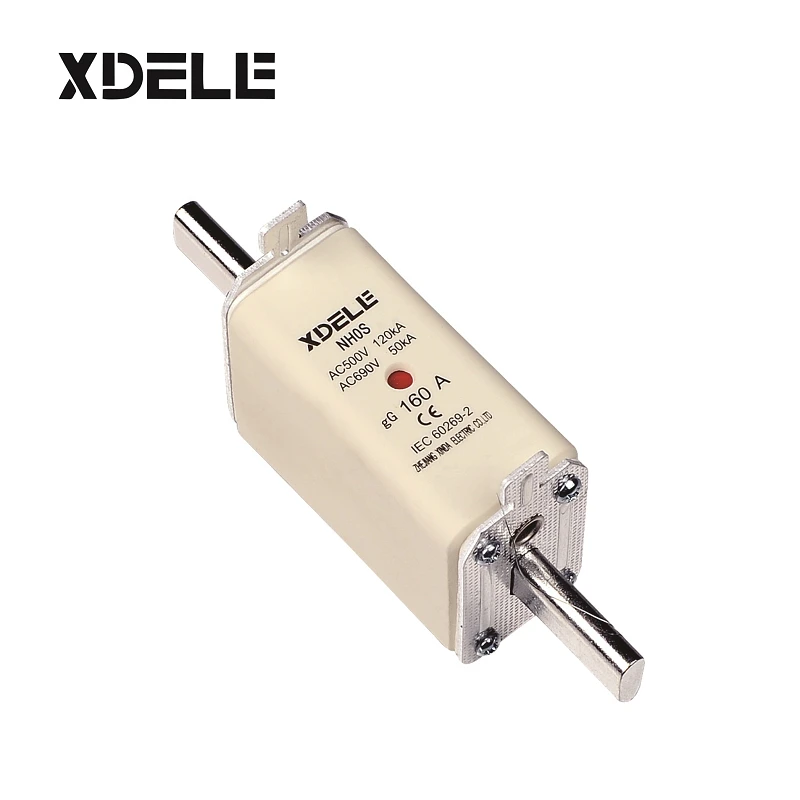
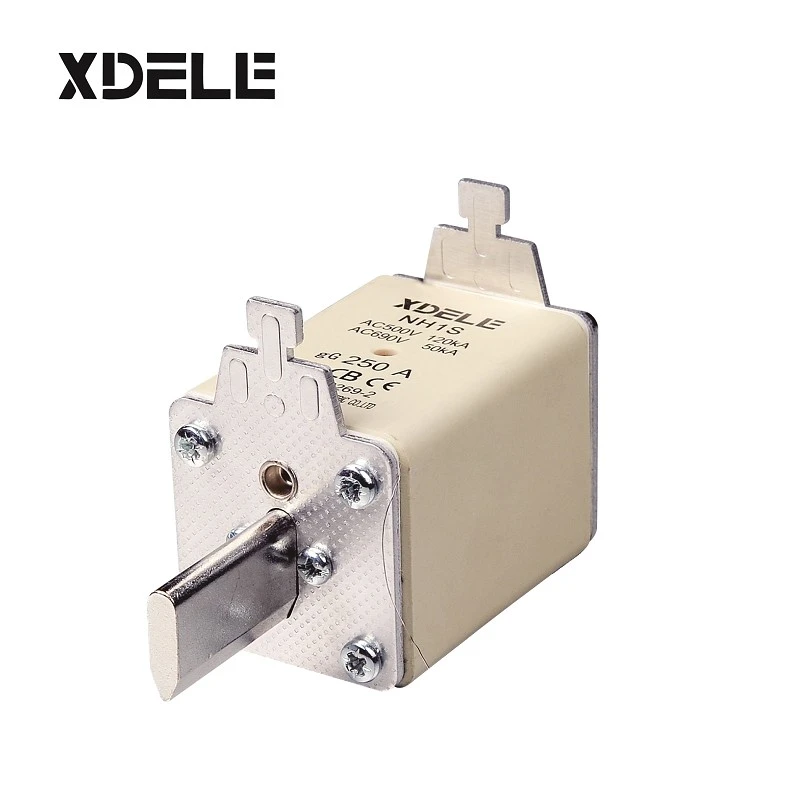
To ensure the reliable operation of electrical systems, it is important to monitor the condition of NH fuse links regularly. Some modern NH fuse links, such as the NH0 with Indicator Fuse Link and NH1 with Indicator Fuse Link, are equipped with indicators that can show when the fuse has blown or is approaching the end of its lifespan.
In addition to visual inspection, electrical testing can also be used to assess the condition of the fuse link. For example, measuring the resistance of the fuse element can provide an indication of its integrity. If the measured resistance is significantly higher than the normal value, it may be a sign that the fuse link is degraded and needs to be replaced.
It is also recommended to follow a preventive maintenance schedule. Based on the operating conditions and the manufacturer's recommendations, fuse links should be replaced at regular intervals. This can help prevent unexpected failures and ensure the continuous operation of the electrical system.
Our Product Range
As a leading NH fuse link supplier, we offer a wide range of high - quality NH fuse links to meet the diverse needs of our customers. Our NT/NH2 Fuse Links are designed with the latest technology and high - quality materials to provide reliable protection in various electrical applications. Whether you need a fuse link for a small - scale commercial project or a large - scale industrial installation, we have the right solution for you.
Contact Us for Your NH Fuse Link Needs
If you are looking for reliable NH fuse links and need more information about their lifespan, performance, or installation, we are here to help. Our team of experts has extensive knowledge and experience in the field of electrical protection. We can provide you with professional advice and guidance to ensure that you select the most suitable NH fuse links for your specific application.
We understand that every electrical system is unique, and we are committed to providing customized solutions to meet your requirements. Whether you have questions about the lifespan of our NH fuse links or need assistance with a complex electrical project, please feel free to contact us. We look forward to starting a conversation with you and helping you find the best NH fuse link solutions for your business.
References
- "Electrical Fuse Handbook" - A comprehensive guide on the principles, types, and applications of electrical fuses.
- Manufacturer's technical documentation for NH fuse links, which provides detailed information on performance, installation, and maintenance.
- Industry standards and regulations related to electrical protection, such as IEC 60269 for low - voltage fuses.