

When it comes to electrical protection, fuses play a crucial role in safeguarding circuits from overcurrent situations. Among the various types of fuses available in the market, NHFUSE HRC (High Rupturing Capacity) fuses are widely recognized for their reliability and performance. As a supplier of NHFUSE HRC products, I am often asked about the rated current of these fuses. In this blog post, I will delve into the concept of rated current, explain its significance in NHFUSE HRC fuses, and provide some insights into how to select the appropriate rated current for your specific applications.
Understanding Rated Current
The rated current of a fuse is defined as the maximum continuous current that the fuse can carry without exceeding its specified temperature rise under normal operating conditions. It is an important parameter that determines the fuse's ability to handle the electrical load in a circuit. When the current flowing through the fuse exceeds its rated current, the fuse element heats up and eventually melts, interrupting the circuit and protecting the connected equipment from damage.
In the case of NHFUSE HRC fuses, the rated current is carefully selected based on the characteristics of the electrical system and the requirements of the application. It is typically specified in amperes (A) and can range from a few amperes to several thousand amperes, depending on the size and type of the fuse.
Factors Affecting the Rated Current of NHFUSE HRC Fuses
Several factors can influence the rated current of NHFUSE HRC fuses. These include:
1. Load Characteristics
The nature of the electrical load is one of the primary factors that determine the rated current of a fuse. Different types of loads, such as resistive, inductive, and capacitive loads, have different current - carrying requirements. For example, resistive loads, like heaters and incandescent lamps, draw a relatively constant current, and the rated current of the fuse can be selected close to the normal operating current of the load. On the other hand, inductive loads, such as motors and transformers, can draw high inrush currents during startup. In such cases, a fuse with a higher rated current or a special time - delay characteristic may be required to prevent nuisance tripping.
2. Ambient Temperature
The ambient temperature in which the fuse operates can also affect its rated current. Fuses are designed to operate within a specific temperature range, and as the ambient temperature increases, the fuse's ability to dissipate heat decreases. This can cause the fuse element to heat up more quickly, reducing its effective rated current. Therefore, when selecting a fuse for use in high - temperature environments, it is necessary to derate the rated current of the fuse to ensure reliable operation.
3. Voltage Rating
The voltage rating of the fuse is another important consideration. NHFUSE HRC fuses are available in different voltage ratings, and the rated current of a fuse may vary depending on the voltage at which it is used. Higher voltage applications may require fuses with higher breaking capacities, which can also affect the rated current selection.
Selecting the Appropriate Rated Current for NHFUSE HRC Fuses
Selecting the right rated current for NHFUSE HRC fuses is crucial to ensure the proper protection of the electrical system. Here are some general guidelines to help you make the correct selection:
1. Determine the Normal Operating Current
The first step is to determine the normal operating current of the load. This can be done by referring to the equipment's nameplate or by measuring the current using a suitable ammeter. Once you have determined the normal operating current, you can select a fuse with a rated current that is slightly higher than the normal operating current to allow for minor fluctuations in the load.

2. Consider the Inrush Current
As mentioned earlier, some loads, such as motors and transformers, can draw high inrush currents during startup. It is important to consider the magnitude and duration of the inrush current when selecting a fuse. You may need to choose a fuse with a time - delay characteristic or a higher rated current to prevent the fuse from blowing during normal startup conditions.
3. Account for Environmental Conditions
If the fuse will be operating in a high - temperature or high - humidity environment, you need to derate the rated current of the fuse. Refer to the manufacturer's datasheet for the derating factors and select a fuse with a higher rated current to compensate for the environmental effects.
Different Types of NHFUSE HRC Fuses and Their Rated Currents
NHFUSE HRC fuses come in various types and sizes, each with its own range of rated currents. Some of the common types of NHFUSE HRC fuses include:
1. NH0 with Indicator Fuse Link
The NH0 with Indicator Fuse Link is a popular type of NHFUSE HRC fuse. It is available in a wide range of rated currents, typically from 2A to 1250A. These fuses are designed for use in low - to medium - voltage electrical systems and are equipped with an indicator that provides a visual indication when the fuse has blown.
2. NH00 with Indicator Fuse Link
The NH00 with Indicator Fuse Link is another type of NHFUSE HRC fuse. It has a smaller physical size compared to the NH0 fuse and is suitable for applications where space is limited. The rated current of NH00 fuses usually ranges from 2A to 630A.
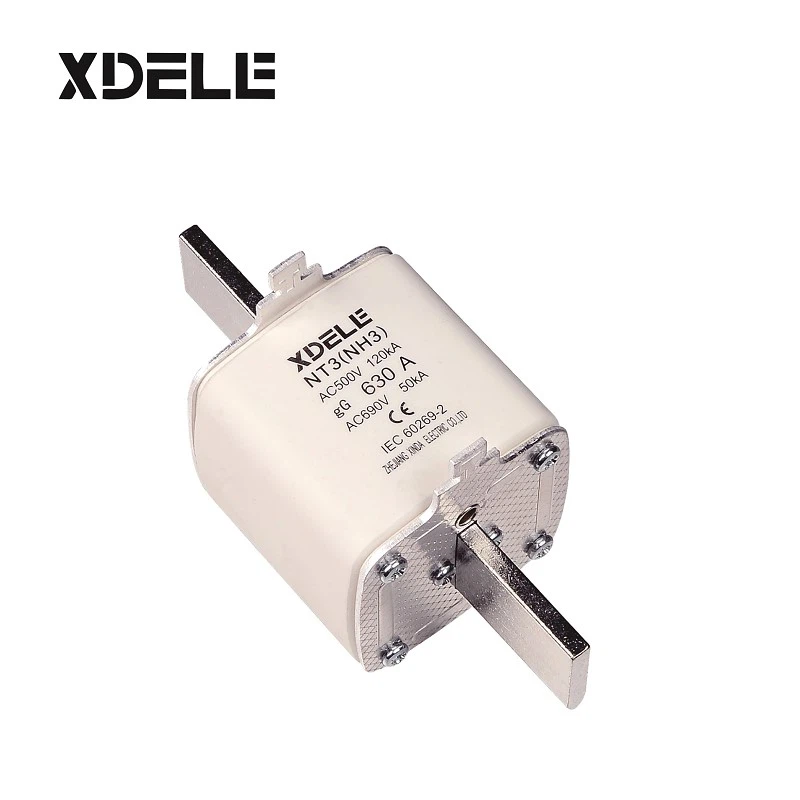
3. NT/NH3 Fuse Link
The NT/NH3 Fuse Link is designed for high - current applications. It can handle rated currents up to several thousand amperes and is commonly used in industrial electrical systems, such as power distribution panels and motor control centers.
Importance of Correct Rated Current Selection
Selecting the correct rated current for NHFUSE HRC fuses is essential for several reasons:
1. Protection of Equipment
A fuse with the appropriate rated current will provide reliable protection for the electrical equipment. It will blow in the event of an overcurrent condition, preventing damage to the equipment and reducing the risk of electrical fires.
2. Prevention of Nuisance Tripping
If the rated current of the fuse is too low, it may blow under normal operating conditions, causing unnecessary downtime and inconvenience. On the other hand, if the rated current is too high, the fuse may not blow when an overcurrent occurs, failing to protect the equipment.
3. Compliance with Standards
Using fuses with the correct rated current ensures compliance with relevant electrical safety standards and regulations. This is important for maintaining the safety and integrity of the electrical system.
Contact for Procurement and Consultation
If you are in need of NHFUSE HRC fuses and are unsure about the appropriate rated current for your application, or if you have any other questions regarding our products, we are here to help. Our team of experts has extensive knowledge and experience in the field of electrical protection and can provide you with professional advice and guidance.
We offer a wide range of NHFUSE HRC fuses with different rated currents to meet your specific requirements. Whether you need a small - rated current fuse for a low - power application or a high - rated current fuse for an industrial system, we have the right solution for you. Contact us today to start the procurement process and ensure the reliable protection of your electrical circuits.
References
- Electrical Engineering Handbook, Third Edition, edited by Richard C. Dorf
- Fuse Application Guide, published by major fuse manufacturers